

Introduction
Pakistan Digital Currency Law Pakistan is stepping into the digital finance era. The State Bank of Pakistan (SBP) plans to launch a pilot project for a central bank digital currency (CBDC). At the same time, the federal government has approved the Virtual Assets Act 2025, laying down a formal legal framework to regulate cryptocurrency and blockchain-based activities. These steps show Pakistan’s commitment to modernizing its financial system and embracing financial innovation.
SBP Prepares for Digital Currency Pilot
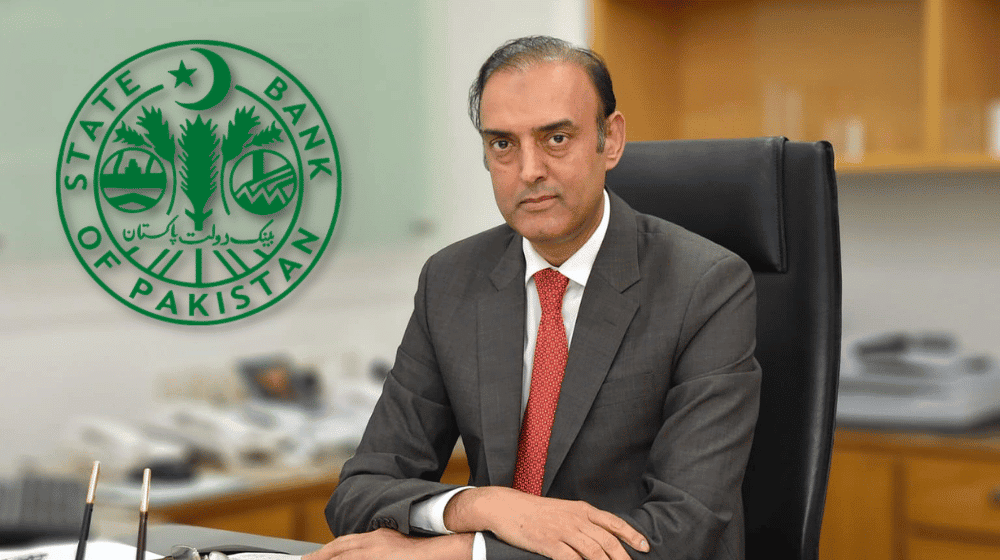
SBP Governor Jameel Ahmad made the announcement during the Reuters NEXT Asia summit in Singapore. He stated that Pakistan was building the capacity for a digital currency pilot and expects to roll it out soon. Ahmad shared the stage with Sri Lanka’s central bank governor. Both discussed challenges faced by monetary policymakers in South Asia.
Ahmad emphasized that digital currency offers opportunities, but it also involves risks. Therefore, the central bank must balance innovation with caution. By launching a pilot, the SBP aims to study the system before a broader rollout.
Virtual Assets Act 2025: A Legal Milestone
Alongside the SBP’s plans, the government has passed the Virtual Assets Act 2025. This law creates the Pakistan Virtual Asset Regulatory Authority (PVARA). The new body will license and regulate companies involved in virtual asset services. These include crypto exchanges, digital wallets, and mining operations.
The act received approvals from the federal cabinet, prime minister, and president. It is a key step toward creating a secure and transparent digital financial environment in Pakistan.
Key Features of the New Law
The law covers a wide range of virtual asset regulations. Below are its main features:
- Licensing Requirement:
All companies or individuals offering virtual asset services must obtain a license from PVARA. - Regulatory Sandbox:
Startups can test new blockchain products under supervision in a controlled environment. - Shariah Compliance:
A Shariah advisory committee will ensure that digital financial products align with Islamic principles. - Independent Appellate Tribunal:
A tribunal will hear appeals against the authority’s decisions. It will operate with legal and financial experts to ensure fair rulings. - Stakeholder Representation:
The PVARA board includes the SBP governor and top officials from finance, law, SECP, FBR, and IT ministries.
Pakistan Crypto Council’s Role Grows
The Pakistan Crypto Council (PCC), launched in March 2025, played a major role in shaping the Virtual Assets Act. Bilal bin Saqib, PCC CEO and Minister of State on Blockchain, said the law marks a new chapter in Pakistan’s tech and finance sectors.
The PCC is already taking bold initiatives. These include:
- Appointing Binance founder Changpeng Zhao as strategic advisor
- Proposing a state-run Bitcoin Reserve
- Exploring bitcoin mining using surplus energy
- Holding talks with U.S.-based crypto firms, including those linked to former President Donald Trump
These partnerships highlight the PCC’s global ambitions.
Balancing Innovation with Monetary Discipline
Despite moving toward digital currency, the SBP remains focused on economic stability. Governor Ahmad said the central bank would maintain a tight policy stance to manage inflation. He noted that Pakistan had reduced its policy rate from 22% to 11% over the past year.
Inflation dropped from 38% in May 2023 to just 3.2% in June 2025. That marks a nine-year low. Ahmad attributed this success to tight monetary controls and prudent policies.
He also mentioned that foreign exchange reserves had grown from under $3 billion to $14.5 billion, thanks to stable policies and controlled spending.
IMF Program on Track
Pakistan’s three-year $7 billion IMF program runs through September 2027. Governor Ahmad confirmed that the program was on track. He added that it had driven key reforms in taxation, energy pricing, and the foreign exchange market.

Ahmad stated that Pakistan might not need another bailout once the current program ends. That reflects growing confidence in the country’s financial recovery.
Pakistan’s Dollar Exposure is Low
Ahmad addressed concerns over the weakening U.S. dollar. He explained that Pakistan’s external debt was mostly dollar-denominated, with only 13% in Eurobonds or commercial loans. As a result, any global dollar movements would not have a serious effect on the country’s financial health.
Public Response and Future Outlook
The financial and tech communities have welcomed the announcements. Local fintech firms and global crypto investors are now eyeing Pakistan as a promising destination. Young freelancers, software developers, and startups are expected to benefit from easier access to blockchain and crypto services.
With a clear legal structure in place and a pilot for digital currency underway, Pakistan is moving toward a more inclusive and advanced financial future.
Conclusion
Pakistan is entering a new phase in financial innovation. The SBP’s digital currency pilot and the Virtual Assets Act 2025 show strong political and institutional commitment. Together, they offer new opportunities for startups, strengthen financial transparency, and attract international investment.
This bold move places Pakistan on the map as a serious contender in the global digital economy.
Innovation, regulation, trust, growth, transformation.
Read more Latest News
