

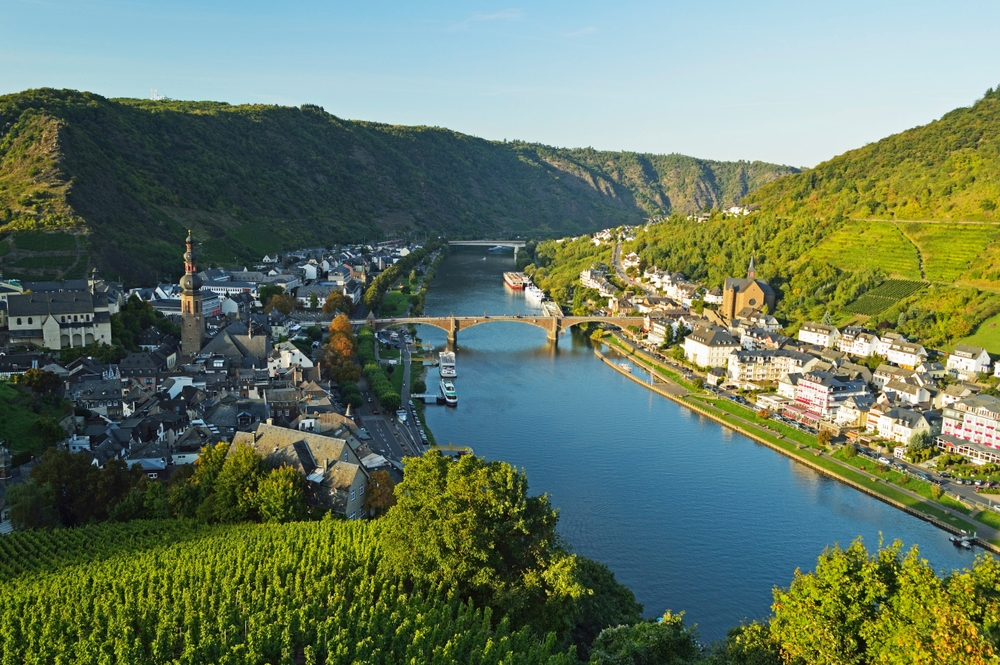
Hamburg Mosel River shipping reopening Germany’s inland waterway authority has confirmed successful trials to reopen the Mosel River for domestic freight shipping, just days after a serious lock accident halted operations. The river, a crucial transportation route for grains and rapeseed between Germany and France, was partially reopened under supervision, raising hopes for full recovery in the coming days.
Lock Accident Sparks Emergency Response
On July 2, a passenger vessel collided with the Sankt Aldegund lock located between Koblenz and Trier in western Germany. The incident immediately halted all commercial navigation on the Mosel River. The collision damaged critical infrastructure and injured several passengers onboard. One person also required emergency treatment for heat exhaustion.
Authorities responded swiftly, assessing the structural damage and suspending all ship movement along the affected segment of the river. This stoppage disrupted logistics and supply chains dependent on the Mosel, especially those tied to agricultural commodity transport.
The Mosel River, known as the Moselle in France, is one of Europe’s most vital inland waterways. It connects numerous industrial and farming regions across western Germany and northeastern France. It plays an essential role in the flow of bulk cargo, particularly grains, oilseeds, and construction materials.
Initial Trials Prove Promising
In the days following the incident, German authorities initiated controlled trials to evaluate whether the damaged lock could still support limited ship traffic. By July 4, the first freight vessels were allowed to pass through the lock under strict monitoring protocols.
The initial phase of the trials focused on downstream voyages, with around 40 vessels successfully completing their journey without further incidents. The Waterways and Shipping Administration (WSA) conducted post-transit inspections after each vessel passed. Officials confirmed that the lock remained structurally stable during the process.
To ensure long-term safety, divers have been assigned to conduct weekly underwater inspections of the lock. These evaluations will continue until full confidence is restored in the lock’s integrity.
According to the WSA, upstream shipping may resume shortly if no complications arise. Officials believe that with careful management, the Mosel River could return to normal operations within a matter of days.

Economic Impact of River Closure
The temporary shutdown of the Mosel River had immediate economic consequences. The waterway serves as a low-cost, high-volume route for transporting commodities like rapeseed and wheat. With the lock closed, exporters and transport companies were forced to seek alternative logistics channels, such as rail and road transport both of which are more expensive and slower.
The closure also added pressure to commodity markets. A similar lock failure in December 2024 resulted in the suspension of rapeseed deliveries to several French river ports. That incident caused futures prices to spike and created uncertainty among traders and producers.
In the current case, market participants remained cautious but hopeful as German authorities worked quickly to assess and repair the damage. Unlike the previous shutdown, this response involved faster diagnostics, risk assessments, and communication with shipping stakeholders.
Repair Plans and Safety Protocols
Officials remain vigilant as they continue to monitor the lock. If the trials begin to show signs of stress or risk, authorities are prepared to implement alternative repair measures. These could include emergency water-control barriers or the installation of temporary lock systems to facilitate limited traffic.
Another option under review is a bypass mechanism that would allow ships to circumvent the damaged area altogether. This would likely involve constructing temporary pathways or floating lock platforms. However, such solutions are more complex and costly, and are only considered if trials ultimately fail.
The German government has also pledged to reinforce safety measures along the river. These include real-time monitoring systems, upgraded lock mechanisms, and quicker deployment of repair crews in future emergencies. Authorities also aim to train vessel operators on safe navigation techniques, particularly around vulnerable infrastructure points.
Political and Industry Response
The transport ministry issued a statement praising the rapid and coordinated response from river authorities. The minister emphasized that restoring shipping flows was a top priority, not just for economic stability but also for maintaining Germany’s position as a logistics hub in Europe.
Industry stakeholders also welcomed the progress. Shipping operators, freight forwarders, and commodity traders have all voiced cautious optimism. Many companies are preparing to resume normal operations and reduce their dependence on costlier land transport alternatives.
Agricultural groups, in particular, stand to benefit from the river’s reopening. July marks a crucial period for grain and oilseed exports, and any extended delay would have impacted harvest season logistics. With the Mosel now partly functional, supply chain disruptions appear limited.
Broader Context and Global Relevance
Although the Mosel River is a regional waterway, the implications of its closure and reopening extend beyond Germany and France. In recent months, global shipping has faced several challenges, including attacks in the Red Sea, congestion in the Panama Canal, and labor strikes at key ports.
In this context, inland waterways like the Mosel have become even more vital. They offer a stable and fuel-efficient alternative to maritime and overland routes, especially for bulk goods. Germany’s ability to swiftly respond to infrastructure disruptions may serve as a model for other countries seeking resilient transportation systems.
Moreover, the success of the Mosel reopening reflects Germany’s investment in its inland waterway infrastructure. The country continues to modernize its locks, improve digital monitoring, and enhance cooperation between local authorities and national agencies.
What Comes Next
In the coming week, authorities will continue testing the damaged lock with both upstream and downstream shipping. If vessel transits remain stable and no structural degradation is observed, a full reopening could be announced by mid-July.
Should new risks emerge, temporary fixes or partial routing strategies will be implemented to minimize disruptions. Long-term repairs will also be scheduled during low-traffic seasons to avoid future shutdowns.
Until then, inspections, maintenance, and operational reviews will remain a daily routine. The WSA has also asked shipping companies to maintain slower speeds and adhere to strict safety protocols while using the lock.
Conclusion
Germany’s rapid and methodical response to the Mosel River lock accident demonstrates the country’s capacity to manage transport infrastructure crises. With successful early trials already underway, stakeholders from agriculture, logistics, and trade industries now look forward to a full return to normal operations.
The reopening of this critical river not only restores a major supply line it also reinforces the importance of resilient and responsive infrastructure in today’s interconnected world. As inland water transport continues to gain strategic significance, the Mosel River serves as a timely example of how smart recovery and safety planning can turn disruption into opportunity.
Read more Latest News
