

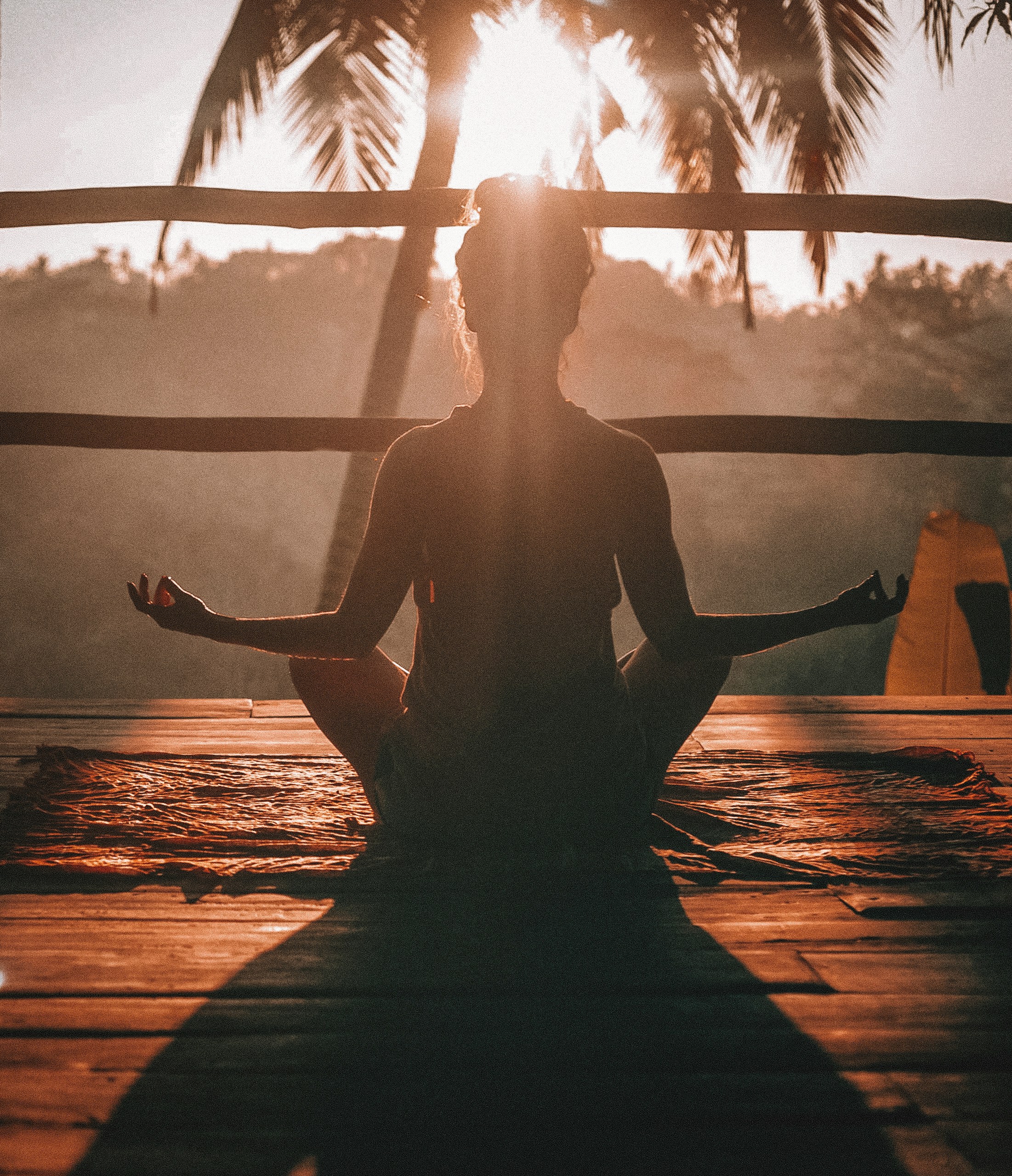
In the heart of Rio de Janeiro’s largest favela, Rocinha, a powerful transformation is underway. Dozens of locals have joined a groundbreaking initiative a free Yoga Teacher Training in Brazilian favelas—that offers professional certification, healing, and a chance to build new careers. On a bright, sunny day, participants gathered to salute the sun together not just in movement, but in unity and hope for a better future.
Spiritual Music and Healing Energy Fill Rocinha
The launch of the yoga training took place in a vibrant and emotional setting. Renowned American musician Krishna Das, famous for his soul-stirring kirtan performances, led a spiritual session that brought participants to tears and laughter. As mantras filled the air, attendees joined in singing, clapping, and even dancing.
Luciene Costa Gonzaga de Andrade, a 54-year-old hairdresser from Rocinha, described the experience as otherworldly. “The mantras lifted my spirit. They transformed my sadness into joy,” she said. “I felt completely transported.”
For Costa Gonzaga de Andrade, yoga isn’t just an activity it’s a lifeline. She began practicing yoga to relieve intense lower back pain, which had kept her on a cane for three years. Through consistent practice, she regained her mobility. Now, she hopes to share yoga’s healing power by becoming a certified instructor.
A Life-Changing Opportunity for Low-Income Residents
Costa Gonzaga de Andrade is one of 20 Rocinha residents who enrolled in the free yoga teacher training program. The initiative comes from a collaboration between the Yoganaya International School and the Brazilian wellness company Mude. Their shared mission? To bring professional-level yoga training to marginalized communities that often feel excluded from wellness spaces.
“This type of course normally costs a lot of money,” said Costa Gonzaga de Andrade. “For someone like me, with a low income, it would be out of reach. But now, I might even leave the salon behind and teach yoga full-time one day.”
Breaking Elitist Barriers in Yoga
Renata Mozzini, founder of the Yoganaya International School, designed the program to challenge what she calls the “bubble of elitism” surrounding yoga. According to Mozzini, many people in Brazil’s favelas view yoga as a luxury reserved for the rich or for those who have it all figured out. Her mission is to dismantle that belief.
“Yoga is for everyone,” Mozzini insisted. “People in Rocinha already practice it. There’s a strong local movement called ‘Yoga na Lage,’ or ‘Yoga on the Rooftop,’ offering community classes right here in the favela.”
With that foundation in place, Mozzini saw an opportunity to take things further. She invited Krishna Das to participate in the opening session, capitalizing on his South American tour. The idea was to give participants an unforgettable start to their journey and it worked.
An Inclusive Program With Real Support
The training lasts 14 months and will certify approximately 180 new yoga teachers from both Rio de Janeiro and São Paulo. The course doesn’t just stop at teaching poses and breathwork. It includes mentorship, internships, and tangible support for students to succeed.
Participants receive everything they need to thrive, including yoga mats, microphones, speakers, uniforms, and even a stipend to help them manage daily expenses. Once certified, graduates will complete paid internships by teaching classes within their own communities, turning their new skills into income.
A Night to Remember With Krishna Das
Held in an open space atop a local restaurant, the inaugural session drew over 150 people. The space overflowed with yoga mats, each touching the next in an energetic display of unity. The location offered breathtaking views of the Rodrigo de Freitas lagoon and the iconic Corcovado Mountain, crowned by the Christ the Redeemer statue.
“It was beautiful,” Krishna Das said after the session. “So rich and sweet. The energy was pure joy. Being able to sing and share this experience with them was moving. These people face so many challenges, and I’m happy to encourage them on this new journey.”
From YouTube to Real Life Inspiration
Among the attendees was Daniela Moraes, a 47-year-old beach vendor from Rocinha. Moraes has long admired Krishna Das’s music through YouTube videos but never imagined she would see him perform live—let alone in her own neighborhood.
“It meant everything to me that he came to Rocinha,” she said. “It’s one thing to listen to him on a screen. It’s another to feel that energy in person.”
Moraes, like Costa Gonzaga de Andrade, has enrolled in the training with the dream of becoming a yoga instructor. For her, this isn’t just a new skill it’s a chance to bring calm, healing, and self-confidence to others who face similar struggles.
Changing Lives One Pose at a Time
The impact of the project reaches far beyond individual transformation. By investing in local talent, the training fosters economic development and builds stronger, healthier communities. Certified instructors can offer low-cost or free classes to neighbors, promote physical and mental wellness, and provide role models in environments often marked by social inequality.
Mozzini and her partners at Mude hope that this first cohort will serve as an example to other cities and countries. “The ripple effect could be huge,” she said. “When people from within a community take the lead, real change happens.”
Looking Ahead: A New Future for Yoga in Brazil
The training continues in Rocinha, with sessions scheduled regularly throughout the week. Participants study anatomy, philosophy, breathwork, posture alignment, and teaching techniques. Every student also receives coaching in building a sustainable yoga business, whether by opening a studio or leading classes in community centers, schools, or beaches.
What began as a free course in a favela may soon grow into a national movement. With over 180 instructors expected to graduate by the end of the year, Brazil’s favelas could become hubs of holistic health and empowerment.
Final Thoughts: Community, Connection, and Courage
The yoga teacher training program in Rocinha proves that access to wellness should never depend on income or status. Through dedication, community support, and visionary leadership, dozens of individuals now have the opportunity to heal themselves and help others do the same.
