

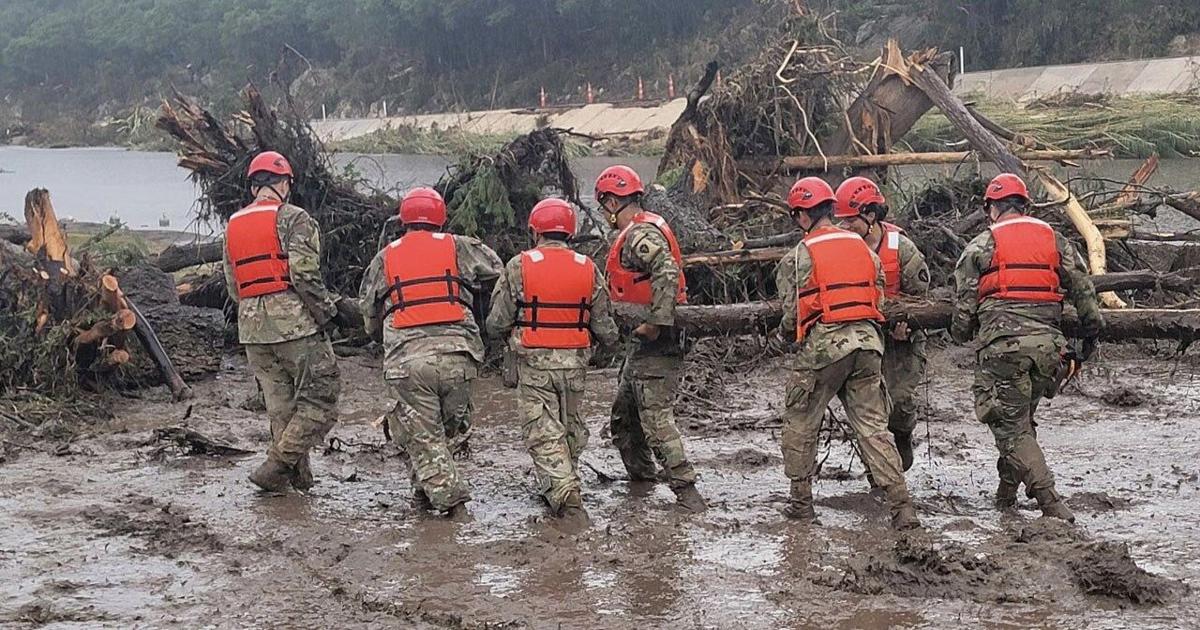
HUNTSVILLE, TEXAS – Texas Flash Flood Four days after deadly flash floods tore through multiple Texas counties, the search for survivors has turned increasingly grim. More than 160 people are still missing, and the death toll has reached 109, according to Texas Governor Greg Abbott.
The catastrophic flooding, which began late Friday night as torrential rains pounded the state, has left families devastated and entire communities in mourning. With every passing day, the hope of finding survivors diminishes as rescue crews face harrowing conditions.
Governor Abbott, speaking at a press briefing on Tuesday, revealed that 161 people remain unaccounted for in Kerr County alone — the area hardest hit by the natural disaster.
“There very likely could be more added to that list,” the governor warned. “That number is based on reports from friends, relatives, and neighbors of missing individuals.”
Kerr County: Epicenter of the Tragedy
Kerr County, located in Central Texas and known ominously as “Flash Flood Alley,” has borne the brunt of the devastation. Of the 109 confirmed fatalities, at least 94 deaths occurred in this region. Most of the casualties resulted from the Guadalupe River breaching its banks and overwhelming a youth summer camp in the early hours of Friday morning, coinciding with Fourth of July holiday celebrations.
Among the deceased are at least 27 young girls and camp counselors, with many still missing. Search efforts for five campers, a counselor, and another unrelated child continue, though officials fear the worst.
“The water came without warning and in the middle of the night while people were sleeping,” said one rescue official. “There was no time to react.”
Treacherous Search Conditions
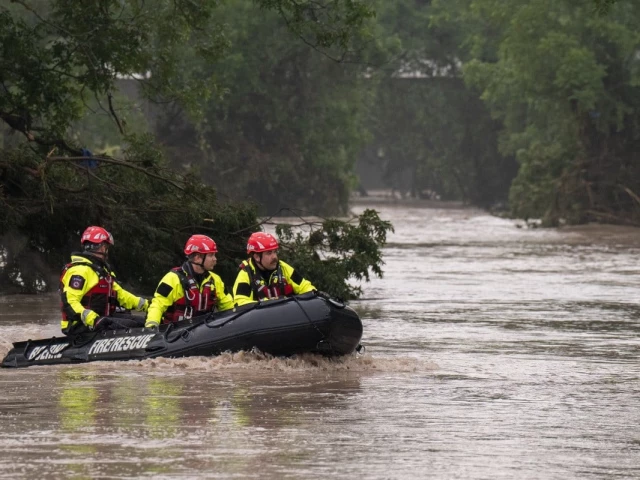
Search and rescue teams, including the Texas Game Wardens, are employing helicopters, drones, boats, and trained dogs. But the terrain remains perilous.
“When we’re trying to make these recoveries, these large piles of debris are very obstructive,” said Ben Baker of the Texas Game Wardens. “Getting deep into these piles is hazardous and slow. The work is dirty, the water is still there, and it’s extremely treacherous.”
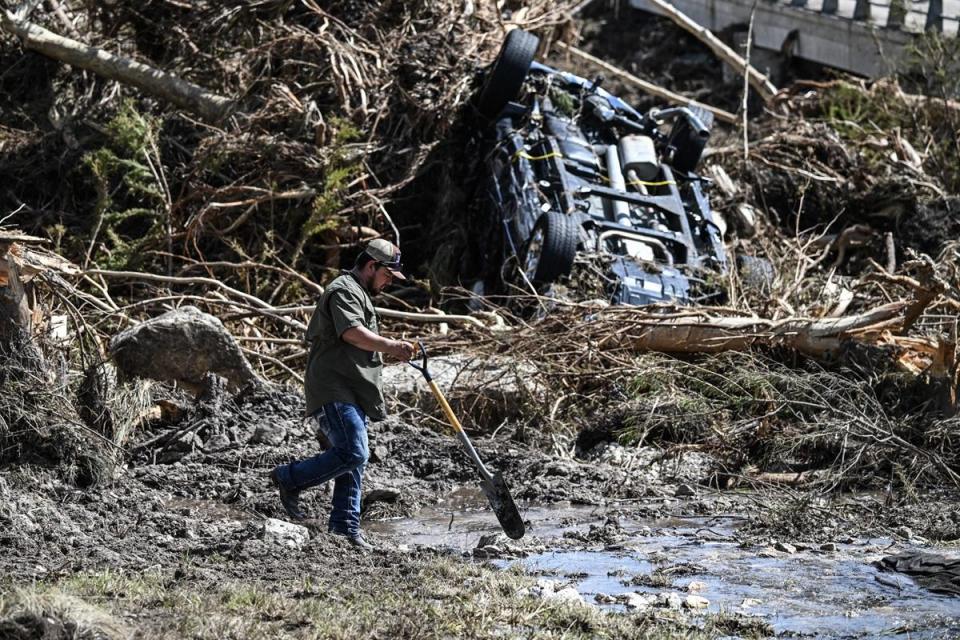
The emotional toll on both rescuers and families has been immense. In the town of Hunt, where the flooding hit hardest, rescue teams were seen combing through piles of shattered homes and mangled vehicles.
One local resident, 24-year-old Javier Torres, was found digging through thick mud searching for his grandmother. He had already located the remains of his grandfather and two children believed to have been swept away by the torrent.
Devastation Spills Into New Mexico
The crisis has extended beyond Texas. The US National Weather Service (NWS) declared a flash flood emergency in Ruidoso, New Mexico, where the Rio Ruidoso River crested more than 20 feet. Homes were damaged, and multiple people were reported trapped.
The NWS has warned of more rainfall, which could further complicate rescue efforts in both states.
Government Response and Rising Questions
President Donald Trump announced he will visit the flood-stricken regions with First Lady Melania Trump on Friday. While speaking to reporters, he praised the first responders:
“We brought in a lot of helicopters from all over. They were real pros, responsible for pulling out a lot of people.”
But the federal response has not escaped criticism. There’s growing concern over whether budget cuts to weather monitoring systems may have delayed critical flood warnings. During a tense press conference, rescue official Ben Baker dodged questions about the speed and effectiveness of the emergency response, stating only:
“Right now, this team is focused on bringing people home.”
Experts: Drought and Geography Made It Worse
Meteorologists and climate researchers say the disaster was amplified by a dangerous combination of extreme drought and geography. According to Shel Winkley of Climate Central, much of the affected area, including Kerr County, was already suffering from exceptional drought before the rain hit.
“Dry, parched soil absorbs less water, causing more surface runoff,” Winkley explained. “Since May, temperatures have been above average. That added fuel to the fire.”
Tom Di Liberto, media director for the same organization, pointed out that chronic staffing shortages at the National Weather Service had weakened the early-warning system.
“You can’t necessarily replace that experience,” he said. “When you lose seasoned meteorologists, forecasting suffers — and so do the people.”
A Community in Mourning
As rescue crews work around the clock, the affected communities remain gripped by sorrow. Memorials are being planned for the victims, and temporary shelters have been established for displaced families.
Local schools and churches have opened their doors to provide food, clothing, and emotional support. Volunteers from across the state are joining hands in what officials describe as one of the largest flood recovery missions in Texas history.
The Road Ahead
Governor Abbott emphasized that more rain is expected and warned citizens to stay alert.
“We are far from out of danger,” he said. “More storms are forming, and we must remain vigilant.”
Despite the difficult circumstances, officials say they are committed to continuing the search.
“The weather won’t deter us,” said Baker. “We owe it to every missing person and their families.”
Final Thoughts
This disaster has already claimed over a hundred lives and left dozens of families shattered. The resilience of the local communities and the dedication of the rescue teams offer hope, but the path to recovery will be long and painful. As the nation watches, Texas faces one of its darkest hours, with more than 160 people still missing and families desperate for closure.
Read more Latest News
