

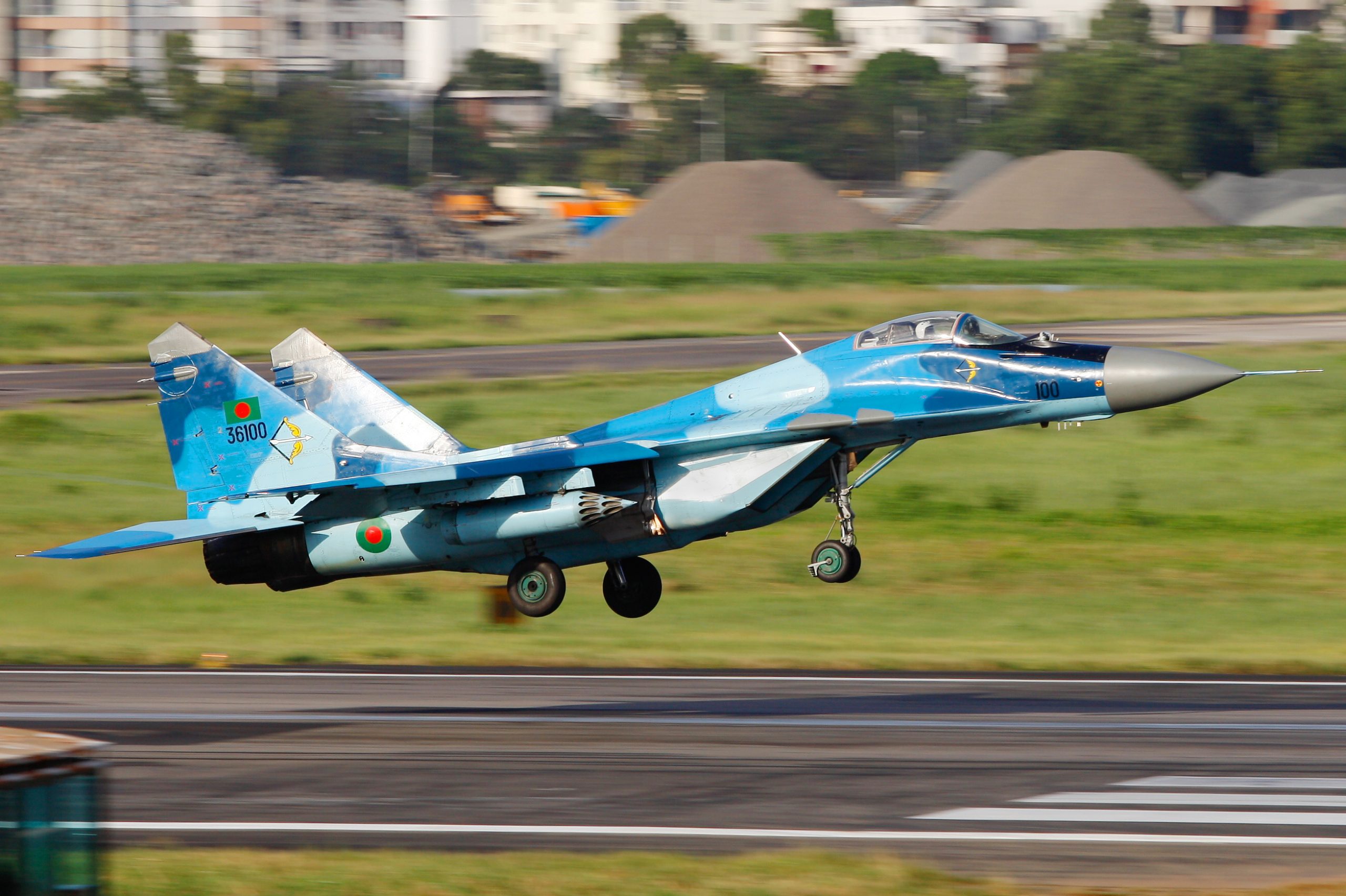
Since 2009, Bangladesh has been working on a military modernization programme under the “Forces Goal 2030” initiative which was updated in 2017 to strengthen its armed forces in all three domains. The plan to buy 16 J-10C fighters from China is a major move to replace the old F-7MB aircraft that are currently used.
Air Chief Marshal Hasan Mahmud Khan has pointed out that the BAF needs modern multirole combat aircraft and attack helicopters to improve its operational capabilities.
J-10C: Capabilities and Strategic Value
The Chengdu J-10C, nicknamed the “Vigorous Dragon,” is a 4.5-generation fighter jet made in China. It comes with advanced avionics, an AESA radar and is powered by the Chinese WS-10C engine. The aircraft can carry a variety of modern weapons, including the PL-15 missile which can travel up to 300 kilometres.
The J-10C’s ability to perform both air-to-air and air-to-ground missions gives the BAF a strong asset, helping it deter threats and project airpower in the region.
Geopolitical Implications
The decision to buy the J-10C by Bangladesh has wider geopolitical effects. Bangladesh has traditionally worked closely with China in defence, using a range of Chinese-made equipment. If Bangladesh acquires the J-10C, it could change the country’s diplomatic ties with major powers.
India, which shares a large border with Bangladesh, is keeping a close eye on the situation. The arrival of advanced Chinese fighter jets in Bangladesh might change the security situation in the region, leading to new strategies.
Economic Considerations
The J-10C is seen as a cheaper alternative to Western fighter jets, with each unit costing about $70 million. Still, Bangladesh will have to think about the costs of maintaining and operating the plant. The quick production and delivery of the J-10C by China make the aircraft more attractive to Pakistan.
Conclusion
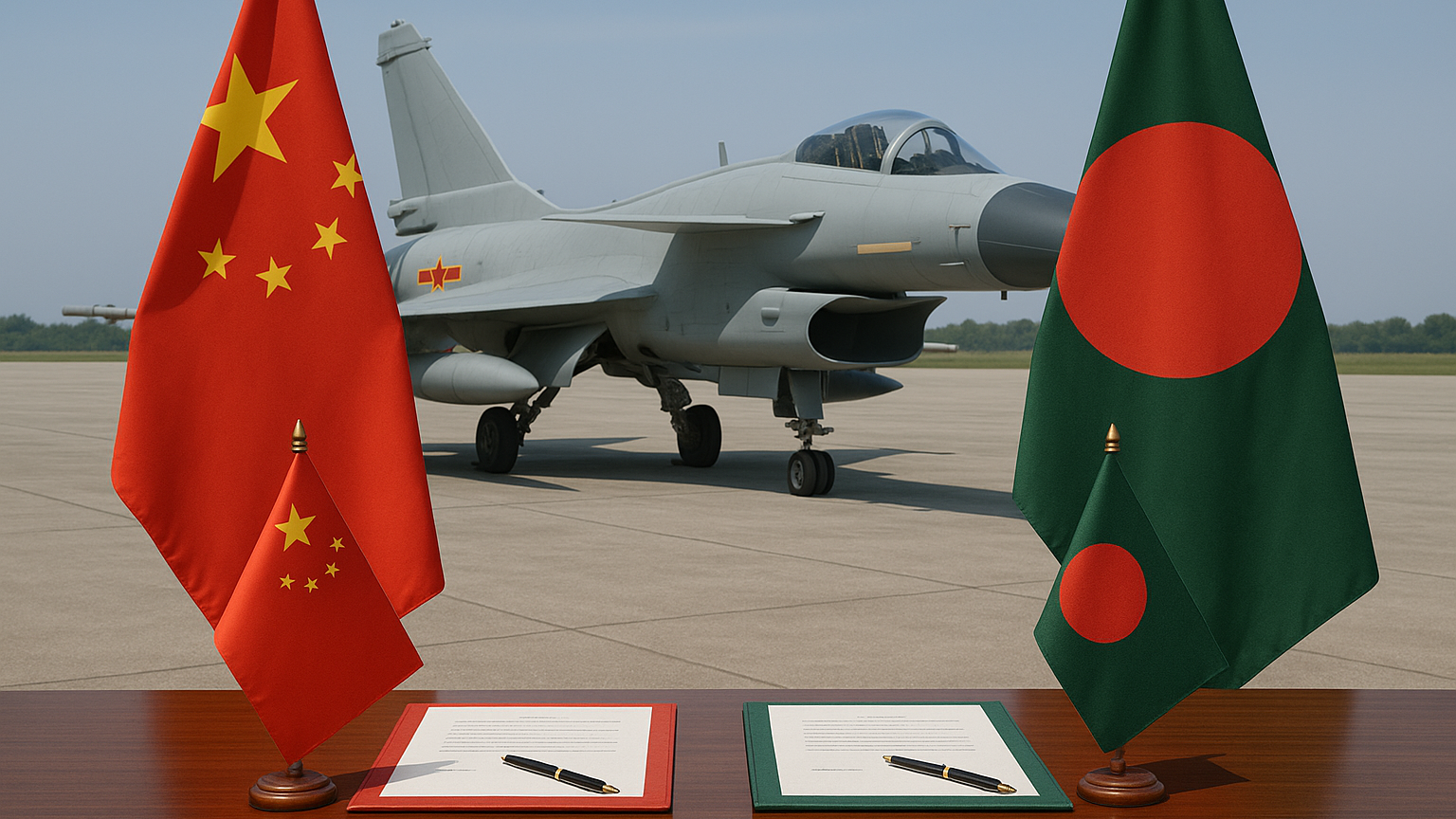
The purchase of J-10C fighter jets by Bangladesh is a major advance in its military modernisation as part of “Forces Goal 2030.” This action improves the BAF’s abilities and also affects regional security and Bangladesh’s foreign relations. While the deal moves forward, Bangladesh must ensure its defense, economy, and diplomatic ties are all considered.
