

Introduction
If you’re new to international shipping or starting an import/export business, understanding freight forwarding is essential. Freight forwarding is the backbone of global trade, ensuring goods move smoothly across borders. In this beginner-friendly guide, we’ll explain what freight forwarding is, how it works, and what Incoterms are — and why they matter.
What is Freight Forwarding?
Freight forwarding is the process of organizing the shipment of goods from one location to another, typically across international borders. Freight forwarders act as intermediaries between shippers and transportation services, handling logistics so that goods reach their final destination safely, on time, and cost-effectively.
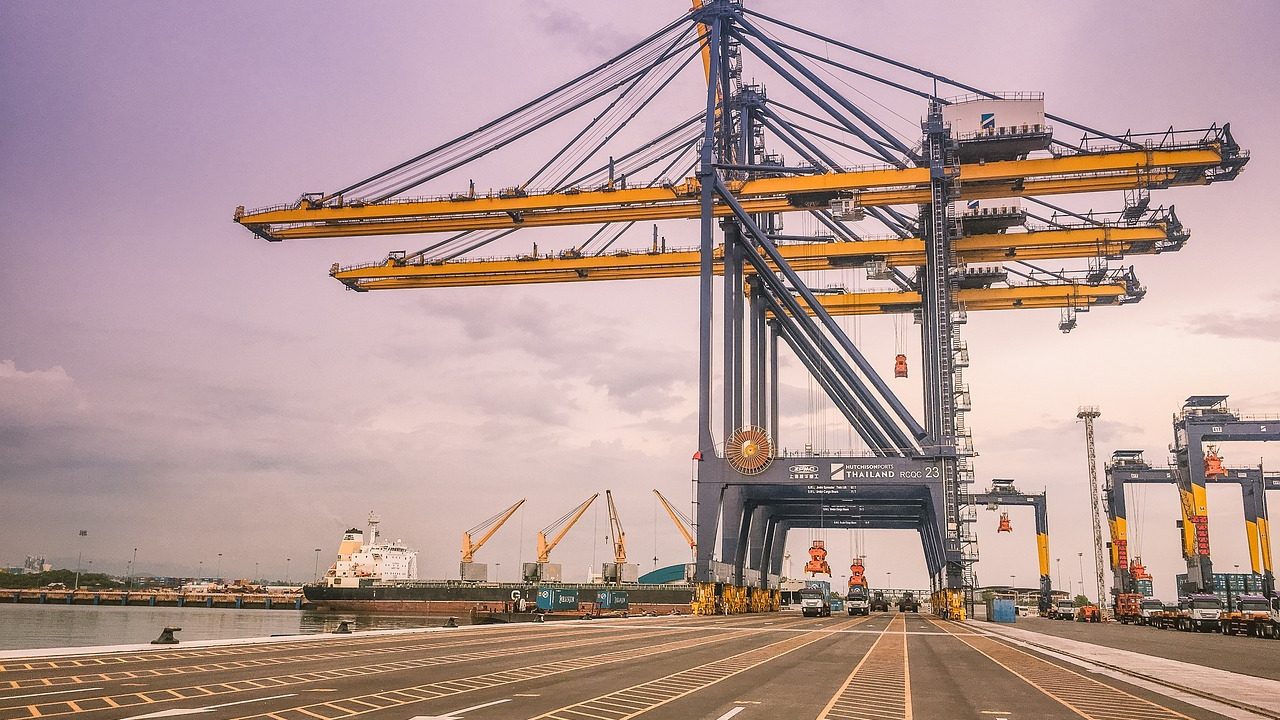
A freight forwarder does not usually move the cargo themselves. Instead, they coordinate with carriers (air, sea, road, or rail), manage documentation, handle customs clearance, and offer services like insurance, warehousing, and cargo tracking.
Key Services Offered by Freight Forwarders:
- Transportation coordination (air, sea, or land)
- Customs documentation and clearance
- Freight insurance
- Warehousing and storage
- Cargo tracking and inventory management
What are Incoterms?
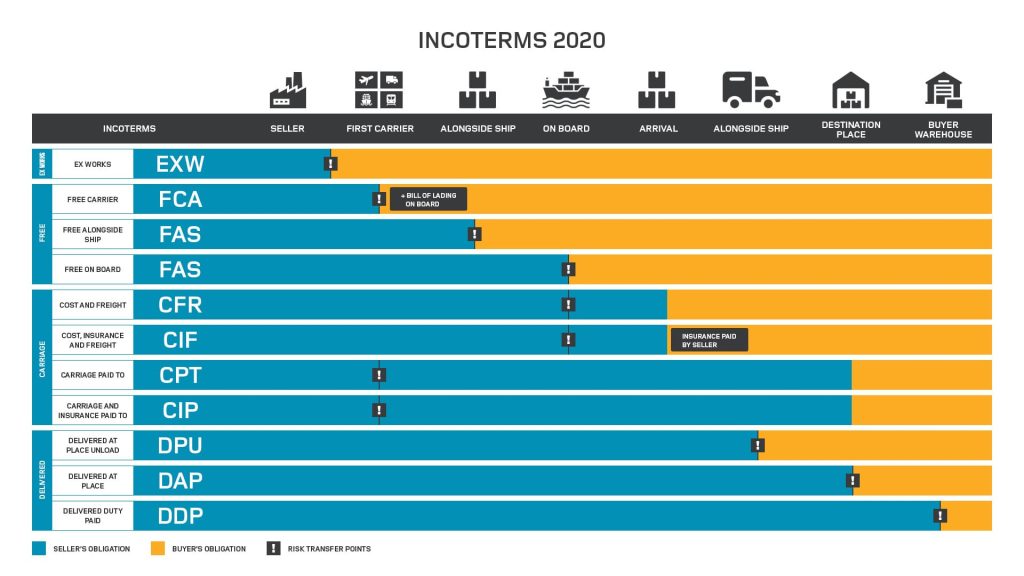
Incoterms, or International Commercial Terms, are a set of standardized trade terms published by the International Chamber of Commerce (ICC). These rules define the responsibilities of buyers and sellers in international transactions — especially in relation to shipping, insurance, and customs clearance.
Using the correct Incoterm helps avoid misunderstandings and ensures that both parties know their responsibilities.
Common Incoterms for Freight Forwarding:
- EXW (Ex Works):
The seller makes the goods available at their premises. The buyer handles everything else — transport, insurance, and customs. - FOB (Free On Board):
The seller loads the goods onto the shipping vessel. The buyer takes over from there. - CIF (Cost, Insurance, and Freight):
The seller pays for shipping and insurance until the goods reach the port of destination. - DAP (Delivered at Place):
The seller delivers the goods to a specified location. The buyer handles import duties. - DDP (Delivered Duty Paid):
The seller is responsible for all costs and risks, including import duties, until the goods are delivered to the buyer.
Why Incoterms Matter for Beginners
Understanding Incoterms is crucial for managing costs, risks, and legal responsibilities. When working with a freight forwarder, knowing your chosen Incoterm helps avoid extra charges, delays, or disputes.
Conclusion
Freight forwarding simplifies the complex world of international shipping by managing logistics, customs, and compliance. For beginners, partnering with a reliable freight forwarder and understanding Incoterms like FOB, CIF, and DDP can save time, reduce risks, and ensure smooth delivery of your goods.
