

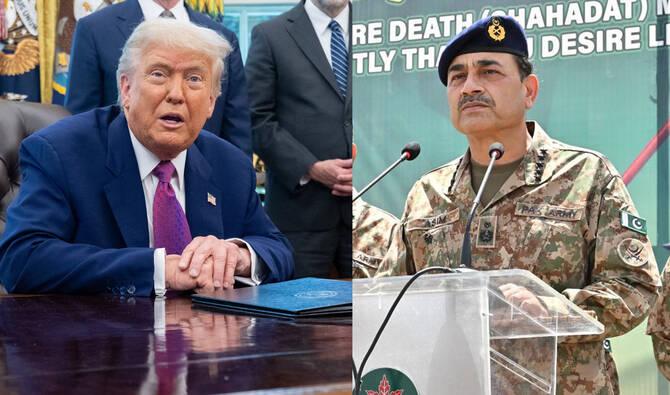
WASHINGTON – In a rare and historic diplomatic development, U.S. President Donald Trump held an extended meeting with Pakistan’s Chief of Army Staff (COAS) Field Marshal Syed Asim Munir at the White House. The unprecedented engagement focused on joint counterterrorism efforts, bilateral trade, and regional peace, according to a statement from the Inter-Services Public Relations (ISPR).
The meeting, held in the Cabinet Room, followed by a visit to the Oval Office, marked the first formal White House meeting between a serving Pakistani army chief and a sitting U.S. president—outside of martial law or civilian leadership. It also signaled a notable shift in U.S.-Pakistan military diplomacy.
From the U.S. side, the talks included Secretary of State Senator Marco Rubio and Special Representative for Middle Eastern Affairs Steve Witkoff. On the Pakistani side, National Security Advisor Lt Gen Muhammad Asim Malik, who also heads Pakistan’s intelligence services, accompanied Field Marshal Munir.
Though initially planned for one hour, the discussions stretched to more than two hours, underlining the depth and warmth of the dialogue, ISPR noted.
Counterterrorism and Strategic Trade in Focus
The leaders reaffirmed their commitment to joint counterterrorism operations and emphasized sustained collaboration in regional peace-building. President Trump commended Pakistan’s consistent efforts in combating terrorism and its role in promoting stability across South Asia.
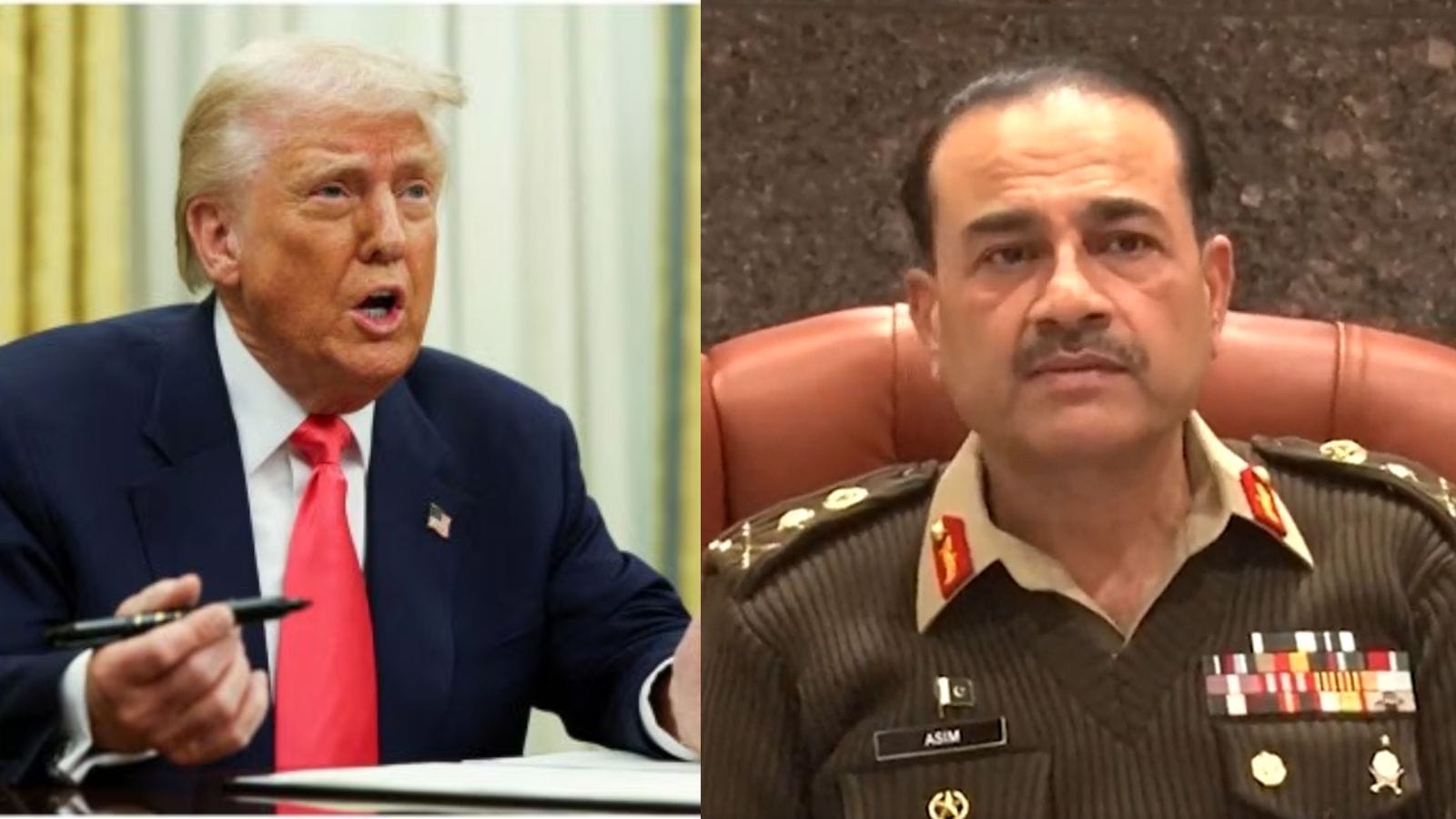
Moreover, the discussions expanded into broader domains including trade, economic development, artificial intelligence, cryptocurrency, energy, and mining. Trump reportedly expressed strong interest in developing a strategic trade alliance with Pakistan grounded in mutual growth and shared interests.
Praise for Leadership and Diplomacy
Trump lauded Field Marshal Munir’s leadership, particularly during times of regional instability. The U.S. president appreciated Munir’s role in defusing tensions between Pakistan and India, even calling him instrumental in preventing what “could have been a nuclear war.”
Field Marshal Munir, on behalf of the government, invited Trump for an official visit to Pakistan, calling it a gesture of goodwill. He also acknowledged Trump’s constructive diplomatic role during recent crises and praised his ability to understand global complexities.
Regional Dynamics: Iran, Israel & Beyond
According to the press release, both leaders also discussed tensions between Iran and Israel, which had escalated due to missile exchanges. They stressed the importance of peaceful conflict resolution and maintaining global stability.
Meanwhile, Defence Minister Khawaja Asif termed the meeting a “milestone in Pak-U.S. ties” and hailed it as a turning point in the 78-year relationship. He emphasized that Pakistan’s ability to mediate regional issues had been acknowledged at the highest international level.
A New Chapter in Military Diplomacy
Insiders revealed that the meeting was the result of months of discreet efforts by influential advisors, business groups, and lobbyists aligned with Republican interests in Washington. While past army chiefs only met U.S. presidents after taking political office, this meeting sets a new precedent in Pakistan-U.S. relations.
Trump, addressing the media afterward, stated he was “honoured” to meet Field Marshal Munir and thanked both Pakistan and India for avoiding escalation. He hinted at a future trade deal involving both countries and acknowledged Pakistan’s deep understanding of Iran and the region.
