

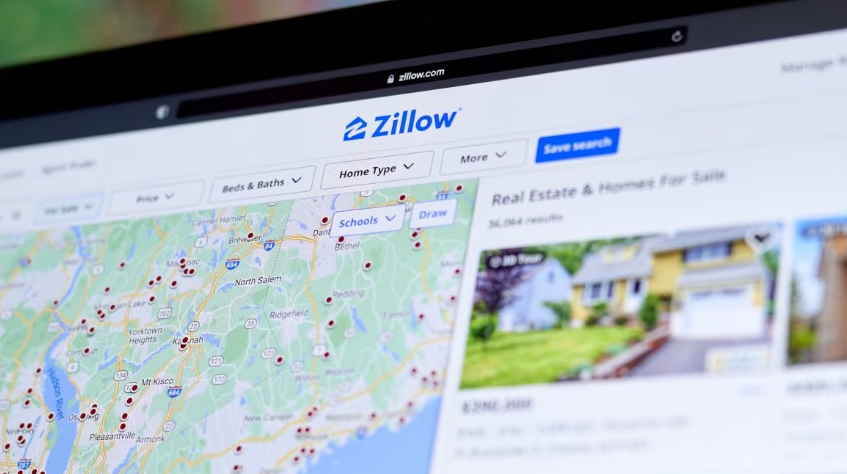
Compass escalated its long-standing dispute with Zillow by filing a lawsuit against the home-search giant on Monday. The real estate brokerage accuses Zillow of implementing listing policies, referred to as the “Zillow Ban,” that create an anticompetitive environment, restrict competition, and favor Zillow’s market dominance.

Zillow’s Dominance and the Lawsuit’s Stakes
In the digital age, homebuyers increasingly rely on online platforms to find properties. Zillow dominates this space, with 80% of online home searches directed to its platform, according to its February investor presentation. Compass’ lawsuit challenges a new Zillow rule. This policy requires all publicly marketed home listings to appear on Zillow within 24 hours or risk exclusion. Compass refers to the regulation as the “Zillow Ban,” which took effect on May 28 and will be enforced starting June 30.
Compass argues that the policy forces home sellers to rely heavily on Zillow, increasing homeowner costs. “The Zillow Ban makes it nearly impossible for home sellers to market their properties outside of Zillow,” Compass claims in the lawsuit. Meanwhile, Zillow counters these allegations and asserts that its policies promote fairness and transparency for buyers and sellers.
Zillow’s Perspective
Zillow defends its policies, stating they address sales practices limiting listing visibility and harming consumers. A spokesperson explained, “When a listing is publicly marketed, it should be accessible to all buyers across platforms, including Zillow. Hiding listings fragments the market, restricts consumer choice, and creates barriers to homeownership.”
Compass’ Marketing Strategy Under Fire
Compass’ “3-phase marketing strategy” has attracted criticism within the industry. This approach includes a private listing phase, followed by a “coming soon” phase on Compass’ website, and finally, a public listing phase on all platforms. According to Compass CEO Robert Reffkin, around 35% of the company’s listings in mid-February fell under “Compass Private Exclusive” or “Compass Coming Soon.”
Critics claim the strategy pressures sellers to prioritize deals with buyers represented by Compass agents, enabling the company to earn commissions on both sides of a sale. Compass denies this accusation and states that sellers choose private listings due to negative insights displayed on Zillow, such as property estimates (“Zestimates”) and climate risk data. Reffkin emphasized that the lawsuit seeks to protect consumer choice.
Implications of the “Zillow Ban”
Zillow’s new policy disrupts Compass’ marketing strategy. Although private listings remain allowed, properties labeled as “coming soon” on Compass’ website must appear on Zillow within 24 hours. Compass asserts that this requirement undermines its phased marketing approach. By limiting flexibility, it reduces opportunities to maximize exposure and generate buyer interest.
The Role of the National Association of Realtors
The “Zillow Ban” builds upon the National Association of Realtors’ 2019 Clear Cooperation policy. This rule requires agents to submit any publicly marketed property to the local Multiple Listing Service (MLS) within one business day. The MLS provides a streamlined database for real estate professionals to share property listings. Compass contends that Zillow’s adoption of similar policies increases barriers for independent listing strategies and reduces competition.
Allegations of Conspiracy
Compass accuses Zillow of colluding with Redfin and eXp Realty to maintain its dominance. Both companies implemented policies mirroring Zillow’s new rule. Compass alleges this reflects a coordinated effort. However, neither Redfin nor eXp Realty are named defendants in the suit. eXp Realty denied any wrongdoing, asserting that it develops its business strategies independently.
Leo Pareja, CEO of eXp Realty, dismissed Compass’ claims as baseless. He remarked, “Compass, a company that has never turned a profit, is wasting resources on this lawsuit. Suing Zillow for promoting consumer access is not strategy; it’s desperation.”

Zillow’s Consumer-Focused Features
Zillow highlights its inclusion of tools such as “Zestimates” and climate risk data as efforts to enhance transparency for buyers. These features, while informative, have drawn criticism from Compass and other industry players. Critics argue these tools potentially influence buyer perceptions and complicate sellers’ strategies. Nevertheless, Zillow maintains that these features improve market transparency.
Potential Industry Impact
The lawsuit’s outcome could reshape the online real estate landscape. A Compass victory may pave the way for greater flexibility in how and where listings are shared. On the other hand, a ruling in favor of Zillow could reinforce its dominant position, setting a precedent for stricter listing policies across the industry. Ultimately, the decision could redefine consumer access and competition in the digital real estate market.
