

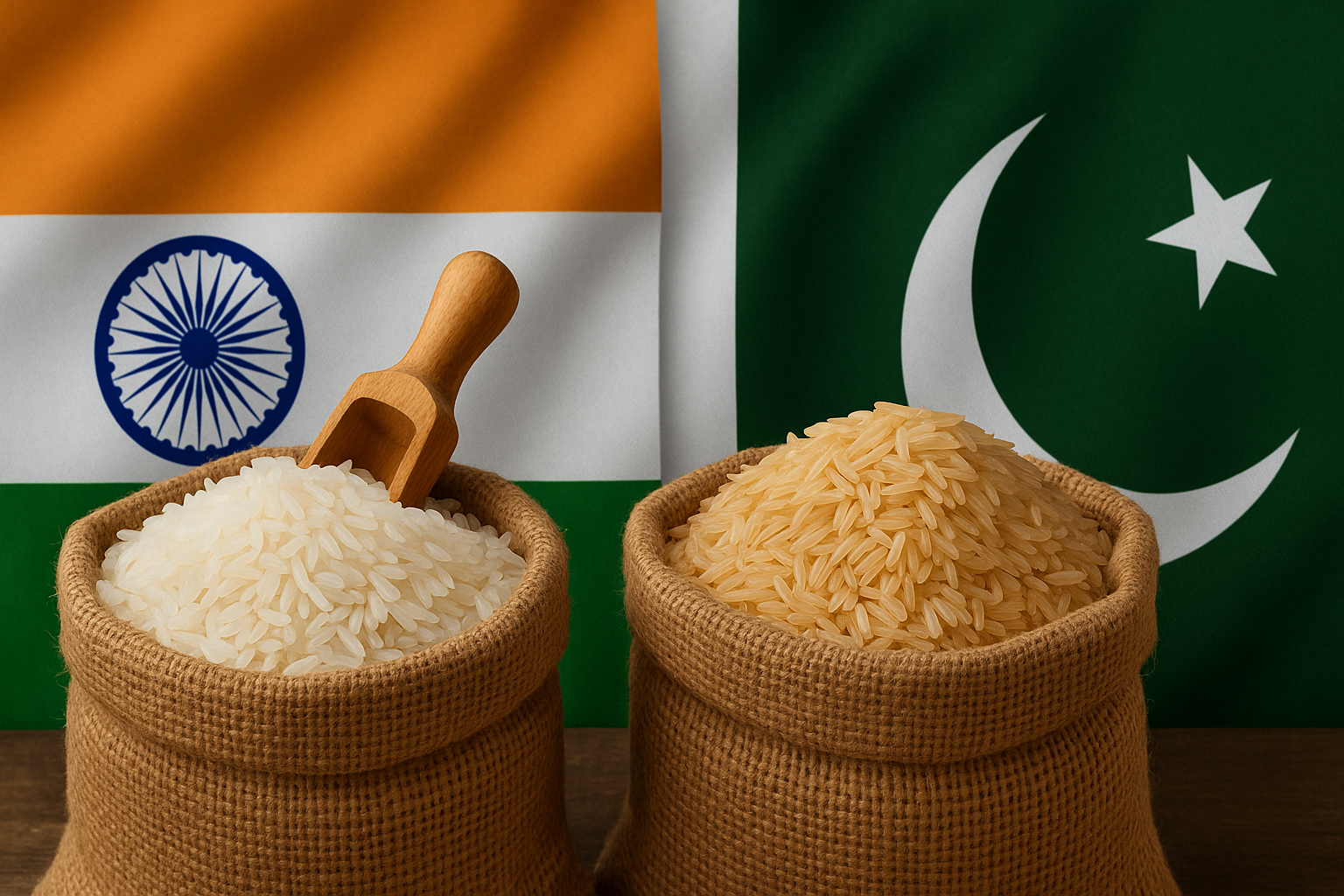
India’s subsidised rice made a noisy return to global markets, but the rice exporters in Pakistan did not give up. They were able to withstand the aggressive pricing of India with a clever emphasis on high quality and quick decision making.
India had stopped exporting rice in the last two years to ensure food security in the country. Indian media had forecasted that the lifting of the export ban would have a devastating effect on the flourishing trade of Pakistan. Pakistan surprised though.
In July, August, and September of 2024, the average monthly export of rice by Pakistan was 550,000 tonnes. Pakistani exporters remained above the price war as India tried to undercut prices through subsidy-supported deals. They concentrated on customized products to the high-end and price-sensitive markets.

The Subsidised Rice Strategy in India is under International Scrutiny
Trade analyst Hamid Malik affirmed that the quality-first approach enabled Pakistan to remain competitive in leading markets such as the UK and EU. Intelligent changes also retained African buyers.
According to the Pakistan Bureau of Statistics, 5.544 million tonnes of rice were exported in the first 11 months of FY25. This is near the 5.593 million tonnes of last year with a slight decrease of 0.87 percent.
A new problem has now emerged. The production of rice decreased by 3.7 percent in Kharif 2024, which led to the tightening of stocks since April 2025. Consequently, the April-June 2025 exports can decrease by approximately 15%.
India, on the other hand, is offering 25 percent broken non-Basmati rice at 349 dollars per tonne (FOB). This beats Thailand at 376, Vietnam at 362 and Pakistan at 365.
These prices were criticized. The actual cost of exporting in India, including support prices, milling recovery, transport and handling, is probably more than $385 per tonne.
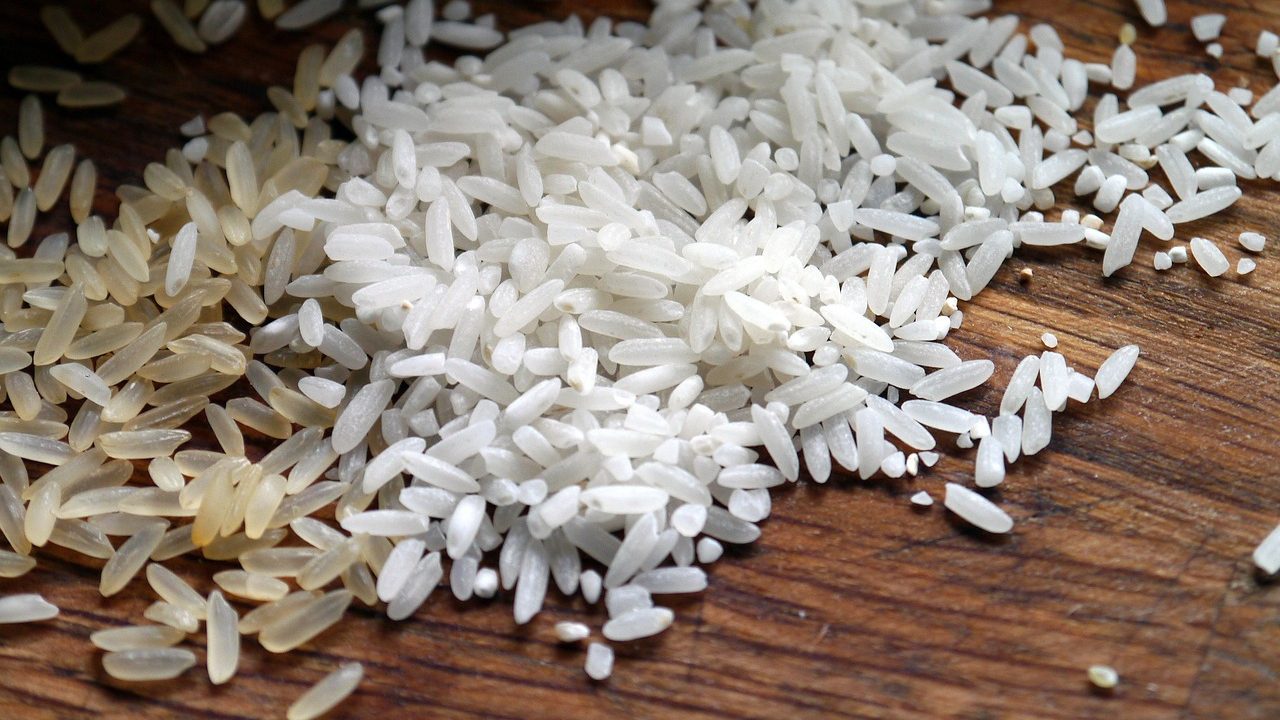
This price difference indicates high subsidies. The U.S., Canada, Australia and New Zealand have filed complaints with the WTO. They claim that the Indian strategy violates the 10 percent subsidy cap in the Doha Agreement.
In April and May 2025, Indian rice exports declined by 50 percent compared to the previous year. Poor policies are blamed by domestic critics, such as rice historian Chandrasakhran. They point to diversion of rice to ethanol, large stocks at the Food Corporation of India, ineffective food distribution, and the abolition of the Minimum Export Price (MEP).
As India is under increasing scrutiny, Pakistan remains focused. Exporters are still using quality, discipline and focused markets to defend their share in the world.
