

Retail Giant Maintains Price Strategy Despite Tariff Pressure
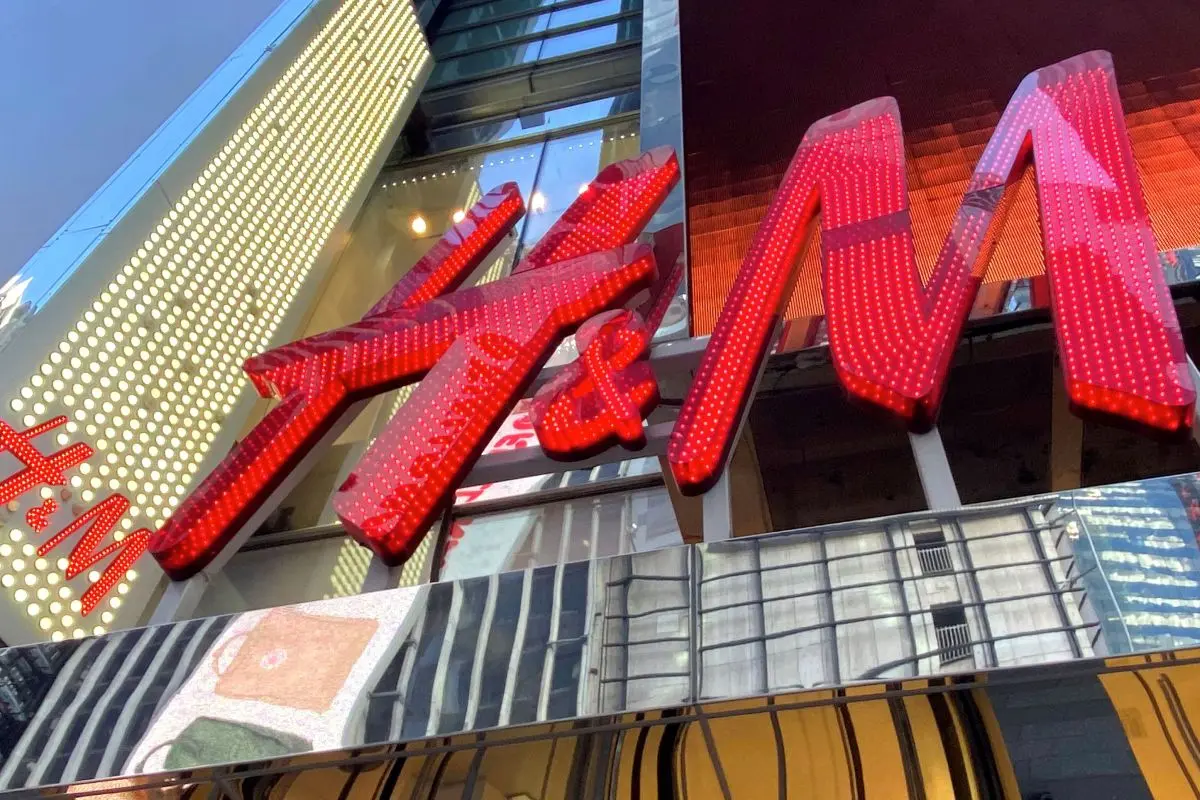
NEW YORK – As tariffs on imported goods begin to impact the U.S. retail sector, H&M and U.S. clothing prices are under pressure. Clothing costs are starting to rise, but H&M, one of the world’s top fashion retailers, recognizes this trend and continues to position itself as a price-competitive brand in a turbulent market.
H&M and U.S. Clothing Prices remain a key concern, according to Daniel Ervér, H&M’s CEO, who stated that many competing brands in the U.S. were raising prices—some quickly, and others gradually. He described the situation as “fast-moving” due to ongoing changes in trade policy under the Trump administration.
H&M and U.S. Clothing Prices
H&M continues to try to remain competitive in price, fashion and sustainability, despite the uncertainty surrounding the global economy. Ervér emphasized the wide range of suppliers that the brand has, which in effect allows them to shift sourcing and better mitigate the impact of tariffs on their business than most competitors.
While wages, tariffs and logistics costs continue to rise, Ervér reiterated that the brand has the intent of remaining competitively priced. “Our customers are very price sensitive,” he explained, noting that while consumers have still been spending, there is significant caution based on geographic economic stress and household budgets.
Boosting Discounts and Technology to Retain Market Share
To maintain affordability and shopper confidence, H&M plans to expand discount offerings and promotional efforts this year. “Other retailers have started cutting prices to stimulate demand,” Ervér explained, and H&M may follow suit if needed to stay competitive.

The company’s latest financial update showed a 1% increase in sales in local currencies, reaching 112 billion Swedish kronor (£8 billion) in the first half of the year. However, operating profit dropped by nearly 17%, totaling 5.9 billion kronor, due to inflation and slowing growth.
Store Closures, Global Expansion, and Automation Ahead
In response to shifting market demands, H&M will shut down 200 stores worldwide in 2025. At the same time, it plans to launch 80 new outlets, including its first three stores in Brazil and new entries into Venezuela.
To offset rising labor costs, the brand is moving in the direction of more in-store automation, such as self-checkout systems, and RFID technology to facilitate faster scanning and a more efficient shopping experience.
Adapting to Tariffs While Staying Competitive
As trade policies change and prices continue to rise, H&M is looking to move quickly. They are utilizing flexible sourcing, smart technology, and low-cost fashions in order to maintain an edge in the retail market in the U.S.
Learn more about Fashion and Lifestyle
