

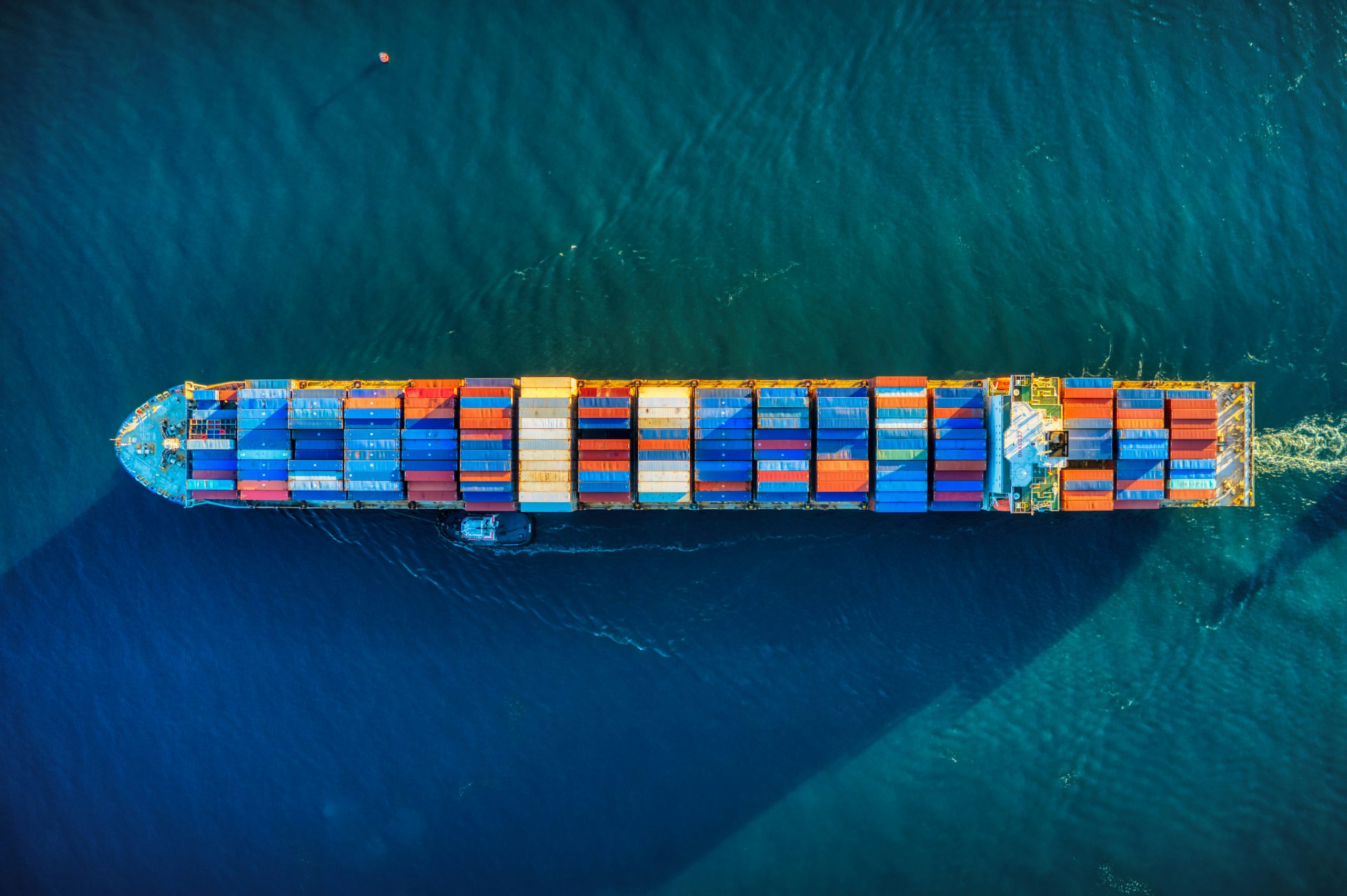
The World Shipping Council (WSC) reports an uptick in containers lost at sea in 2024, despite a long-term downward trend in losses. The increase is attributed to rerouted vessels avoiding the Red Sea due to regional hostilities, leading to encounters with hazardous conditions off the Cape of Good Hope.
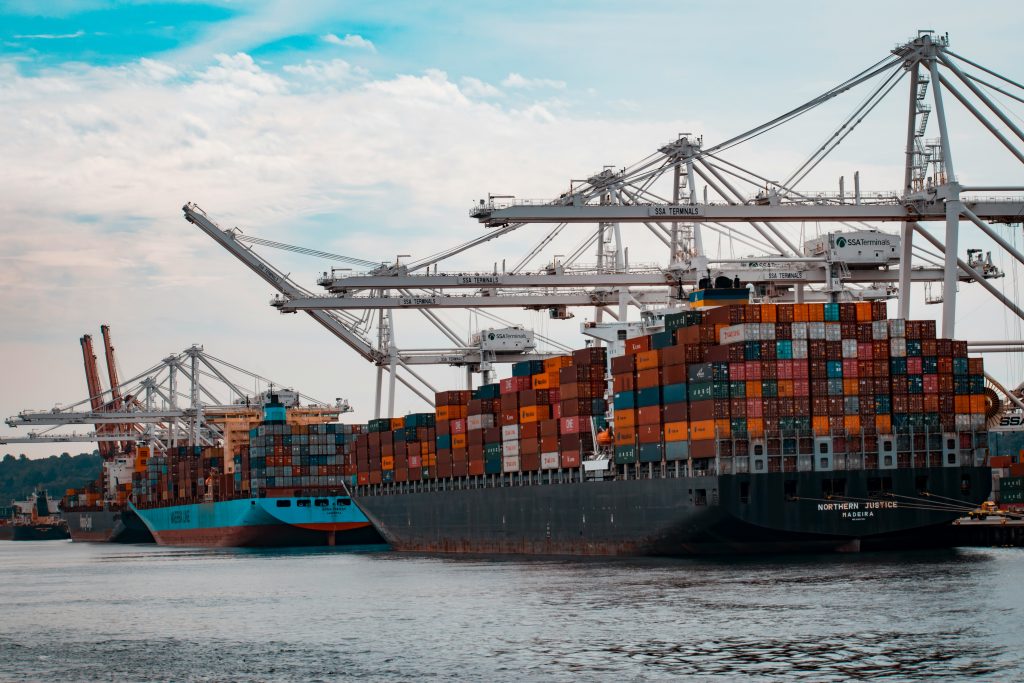
Increase in Container Losses Linked to Rerouting
In 2024, approximately 576 containers were lost at sea out of 250 million transported globally, marking an increase of 221 containers from the previous year. The rerouting of vessels around the Cape of Good Hope exposed ships to severe winter weather, directly contributing to the rise. Despite the increase, the figure remains well below the 10-year average of 1,274 containers lost annually.
“Global commerce demands safe navigation, even under challenging conditions,” said Joe Kramek, President & CEO of the WSC. “The industry continues to prioritize loss prevention, but rerouting around South Africa has proven particularly challenging.”
South Africa: A Key Area for Losses
The South African Maritime Safety Authority (SMSA) documented several significant incidents in 2024. Between July and September, CMA CGM Benjamin Franklin lost 44 containers, CMA CGM Belem 99, and MSC Antonia 46, all due to heavy weather. Additionally, MSC Taranto lost five empty containers in October.
WSC highlighted a 191% spike in vessels navigating this region compared to 2023, with 35% of 2024’s container losses linked to the Cape of Good Hope route. The organization emphasized the area’s reputation for hazardous maritime conditions and its impact on safe transit.
Historical Context and Industry Efforts
The shipping industry has faced similar challenges over the past 17 years, with spikes in container losses in 2013, 2020, and 2021. High-profile incidents, such as the loss of MOL Comfort with over 7,000 TEU in 2013 and damage to vessels like ONE Apus and Maersk Essen, highlighted issues like parametric rolling.
In response, the industry has implemented measures to warn seafarers and manage sudden violent rolling. Enhanced safety protocols and improved vessel design aim to mitigate such risks.
Upcoming Safety Regulations
WSC supports upcoming mandatory container loss reporting, set to take effect in 2026 under the International Maritime Organization (IMO). Additionally, the organization is collaborating with MARIN to develop a report for the IMO on advancements in container safety. This includes identifying causes of losses, recommending preventive measures, and updating regulatory frameworks.
Other Challenges in 2024
Beyond container losses, fires on cargo ships have emerged as a significant issue. In 2024, incidents like the Maersk Frankfurt fire, which claimed lives, and the ongoing fire aboard Wan Hai 503 have underscored the importance of addressing this hazard. Groundings and severe weather incidents, such as the loss of MSC Baltic III and MSC Elsa 3, further complicated maritime safety this year.
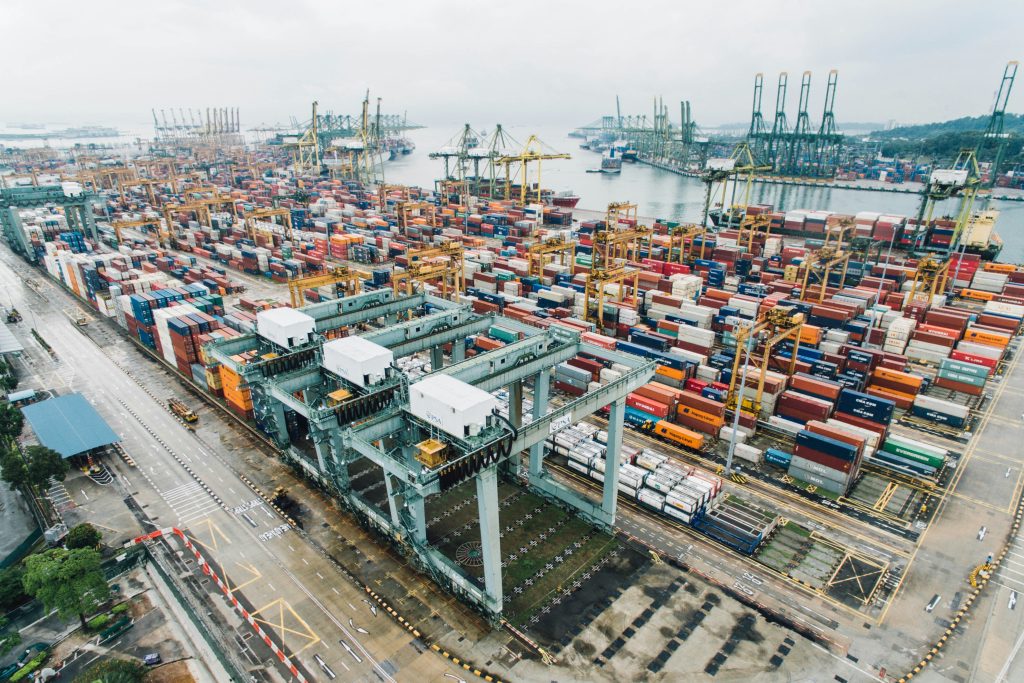
Focus on Dangerous Goods and Best Practices
To enhance cargo safety, WSC emphasizes addressing misdeclared or undeclared dangerous goods. A new industry-wide screening system has been introduced to tackle this issue. Additionally, the organization has partnered with the National Cargo Bureau to roll out a safety program featuring industry best practices.
Changes in safety regulations, such as classifying charcoal shipments as dangerous goods and revising packing and stowage requirements, are also underway. These measures aim to improve overall safety standards and reduce risks at sea.
Conclusion: Shared Responsibility for Safety
The maritime industry continues to make strides in reducing container losses and enhancing safety. As rerouting and other challenges persist, WSC highlights the need for collective efforts in adhering to best practices, ensuring accurate cargo declarations, and complying with updated regulations.
