

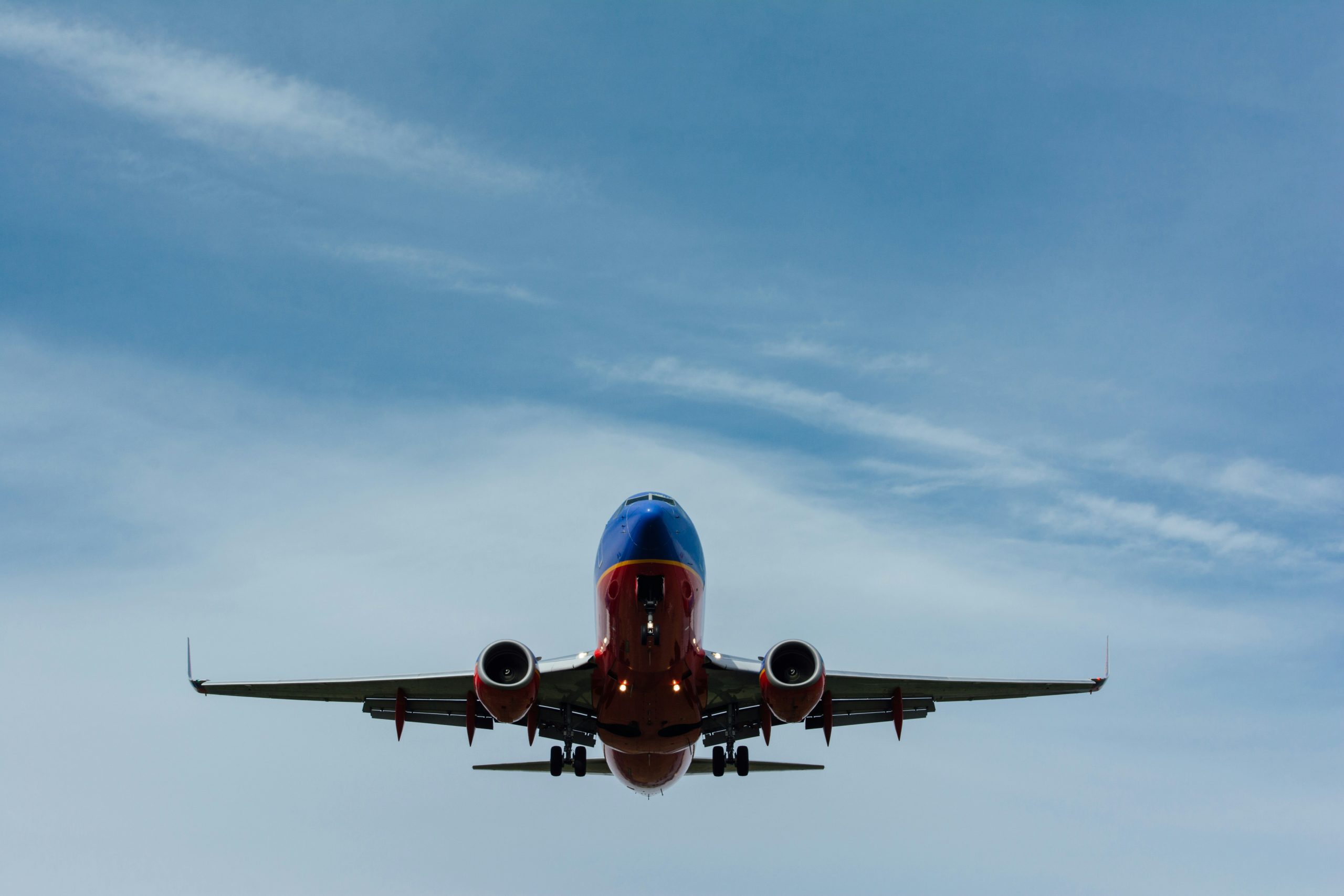
A North Carolina homeowner discovered an unusual sight on the morning of July 2—a large aircraft part blocking his driveway. Local authorities identified the object as a trailing edge flap section from a Delta Air Lines Boeing 737-900ER. The aircraft, registered as N940DU, was completing Flight DL3247 from Atlanta to Raleigh-Durham when the incident occurred.

Emergency Response and Investigation Begin
At 8:30 AM, a 911 call reported unidentified debris in a residential area. Local police responded promptly, later confirming that the object was an aircraft component. Delta Air Lines verified that it belonged to the Boeing 737 that had landed earlier that day. According to Flightradar24, Flight DL3247 touched down at 12:24 AM, although a news release mistakenly reported the landing time as 1:15 AM.
Authorities removed the component from the residential driveway by 12:30 PM. No injuries or property damage were reported. The Federal Aviation Administration (FAA) and Delta’s maintenance team are investigating the cause of the detachment.
About the Aircraft Involved
The Boeing 737-900ER involved in the incident is part of Delta’s “73R” subfleet. These jets were previously operated by LionAir and still feature their original cabin configuration with 12 first-class seats and 161 in economy. Despite the part loss, the aircraft landed safely, and all 115 passengers and crew disembarked without issue.
Immediate Consequences for Delta
Following the incident, the aircraft remained grounded at Raleigh–Durham International Airport. Delta has yet to confirm when N940DU will return to service, though Flightradar24 listed a potential return for July 3. The part that detached is a portion of the left wing’s trailing edge flap, crucial for controlling lift during takeoff and landing.
Delta has a TechOps maintenance facility at Raleigh-Durham, making it likely that repairs will be carried out locally. The FAA will collaborate with Delta to identify whether the detachment was due to a maintenance lapse or a structural issue.
Expert Insight Into the Incident
Aviation accident attorney James Crouse explained to WRAL News that it is possible for a Boeing 737 to land safely even with a missing flap component. However, he acknowledged that the absence of the part could increase risk during critical flight phases like final approach.
Investigators will likely focus on aircraft integrity and Delta’s maintenance records to understand the root cause. Since the component fell during the final approach, maintenance personnel may not have noticed the issue before landing.
Wider Implications and Context
This incident is part of a troubling trend of recent aviation hardware failures. Earlier in 2024, a United Airlines Boeing 777 lost a wheel during departure from San Francisco, causing damage to several parked cars. A similar issue occurred later with a United 757-200 at Los Angeles International Airport. Fortunately, neither of those events resulted in injuries, but they did prompt detailed investigations.
In both United cases, the FAA concluded that there were no major flaws in the airline’s maintenance practices. Experts anticipate a similar outcome with Delta’s flap incident, possibly pointing to a rare, isolated failure rather than systemic neglect.
Delta’s Commitment to Safety
As one of the world’s largest and most respected airlines, Delta operates nearly 1,000 aircraft and maintains a strong safety record. Despite the flap detachment, the successful landing illustrates that aircraft are designed to tolerate certain component failures. Nevertheless, the event has triggered a thorough inspection process to ensure similar incidents do not happen again.
Delta spokespersons confirmed that the airline is cooperating fully with both the FAA and local authorities. The retrieval of the missing flap section will aid in diagnosing the mechanical or material failure that caused the separation.
What Happens Next for N940DU
Until repairs are completed and the investigation concludes, N940DU will remain grounded. The incident has not significantly disrupted Delta’s operational schedule, thanks to fleet flexibility and aircraft availability. However, the airline’s maintenance teams are under scrutiny to confirm that proper checks and procedures were followed.
If the FAA identifies any lapse in inspection or structural integrity, it may lead to revised maintenance protocols or fleet-wide inspections. For now, there is no indication of similar issues affecting other aircraft in Delta’s 73R subfleet.
Passenger Confidence and Industry Response
Although such incidents can be alarming, aviation experts stress that commercial aviation remains extremely safe. Incidents like this rarely impact passengers directly and are typically resolved quickly by airline maintenance crews.
The FAA’s investigative process ensures that all contributing factors are addressed, from component fatigue to installation errors. Delta’s prompt response, including securing the debris and cooperating with investigators, reflects industry-standard safety practices.
Final Thoughts
The Delta Boeing 737 flap incident near Raleigh underscores the importance of rigorous maintenance and fast incident response. Thanks to the aircraft’s design and skilled piloting, the situation concluded without injuries or additional damage. The retrieved component will now serve as a vital clue in understanding the root cause and preventing future occurrences.
As the FAA continues its probe and Delta prepares the aircraft for a safe return to service, the event highlights both the resilience and accountability built into modern air travel systems.
