

High-Level Task Force Approves New Pilgrimage Plan
ISLAMABAD – The Government of Pakistan has decided to introduce a ferry service for Arbaeen pilgrims, along with expanded flight operations, to assist those traveling to Iran and Iraq.
The announcement came during a meeting of the Special Task Force on Pilgrims’ Issues, led by Interior Minister Mohsin Naqvi. The session included several federal ministers and senior representatives from aviation, religious affairs, and immigration departments.
The government aims to make pilgrimage travel more accessible, organized, and secure by introducing alternative transport modes and a new system for managing pilgrim groups.
Flights to Iran and Iraq Receive a Major Boost
Officials from the Civil Aviation Authority (CAA) updated the task force on flight operations. They confirmed that weekly flights to Iran have increased from six to fifteen to handle the rising number of pilgrims.
Additionally, the government has arranged 107 special flights to Iraq for the Arbaeen season. These flights will serve major pilgrimage hubs such as Najaf and Karbala, where millions gather annually for religious observance.
The decision to boost air connectivity reflects Pakistan’s effort to ease travel congestion and ensure timely departures for pilgrims.
Government Introduces Affordable Ferry Service
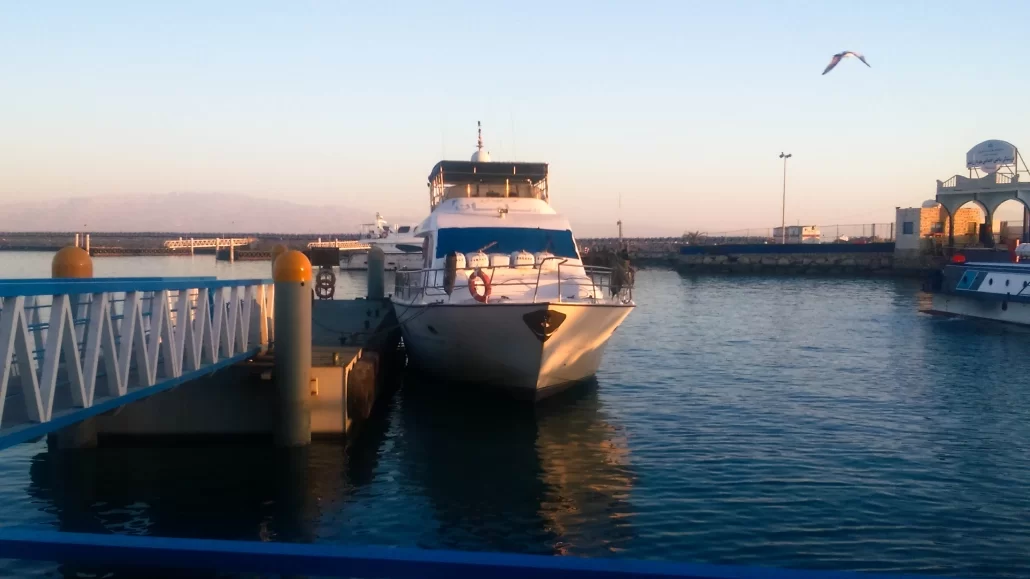
One of the most significant initiatives is the launch of a ferry service for Arbaeen pilgrims. The ferry option offers a cheaper and more inclusive alternative to air travel, especially for lower-income groups.
Authorities have already started preparations for the ferry’s operations. Once launched, the service will help transport large groups of pilgrims to Iran and Iraq by sea, easing the burden on airline capacity.
This ferry service not only lowers costs but also increases travel flexibility for thousands of people planning to observe Arbaeen rituals.

Land Travel Plans Linked to Security Review
While air and sea routes are expanding, the government remains cautious about opening land routes.
Authorities have announced that they will review the national and regional security situation after Ashura, the 10th day of Muharram, before making any decision on overland travel.
Until that review is complete, pilgrims will only be allowed to travel through sea and air routes. This step ensures that safety remains a top priority during large-scale religious movements.
New Group Organizers System to Begin in 2026
The government also announced a shift from the existing “Salar” system to a Group Organizers System, effective January 1, 2026.
Under the new policy, all pilgrims will be required to travel with licensed and verified group organizers. This system aims to improve safety, documentation, and the overall management of pilgrimage logistics.
The change addresses past concerns about disorganized or fraudulent arrangements. Officials believe it will create a more accountable framework for religious travel.
Over 1,400 Group Organizer Applications Under Review
To prepare for the upcoming shift, the Ministry of Religious Affairs has already received 1,413 registration applications from aspiring group organizers.
Currently, the ministry is vetting each applicant. Only those who meet the government’s standards for financial reliability, organizational capability, and security compliance will receive approval to operate.
This step ensures that pilgrims are guided by credible, well-managed groups with clear responsibilities.
Strict Action Ordered Against Illegal Travel
Interior Minister Mohsin Naqvi instructed the Federal Investigation Agency (FIA) and other relevant institutions to launch a strict crackdown against unauthorized religious travel.
In previous years, some individuals traveled to Iraq using unverified documents or false religious claims. The minister warned that such acts will no longer be tolerated.
He directed the FIA to increase checks at airports, seaports, and immigration points to block illegal pilgrimages disguised as religious visits.

Government Strengthens Travel Monitoring
To implement its directives, the government will enforce strict travel monitoring protocols. Immigration and law enforcement agencies will verify documents, scrutinize group organizers, and crack down on fake travel documents or forged papers.
Any violations will result in legal action, arrest, and bans from future travel. The government plans to create a central tracking system for all group-based pilgrim movements to enhance transparency and security.
Religious Leaders Support New Measures
Religious scholars and groups have responded positively to the government’s efforts. Many clerics praised the ferry initiative, describing it as a relief for thousands of financially struggling pilgrims.
They encouraged the public to register only through verified group organizers and avoid dealing with unauthorized travel agents. Scholars believe these reforms will protect pilgrims from fraud, mismanagement, and security risks.
Conclusion: Safer, Organized, and Accessible Pilgrimage Ahead
The launch of the ferry service for Arbaeen pilgrims, the rise in available flights, and the transition to a regulated group system mark a major transformation in how Pakistan manages pilgrimage travel.
By improving infrastructure, increasing oversight, and ensuring secure travel, the government is making it easier and safer for citizens to perform their religious duties.
With Arbaeen 2025 approaching, these reforms are expected to benefit thousands and reduce the challenges associated with one of the largest religious pilgrimages in the world.
