

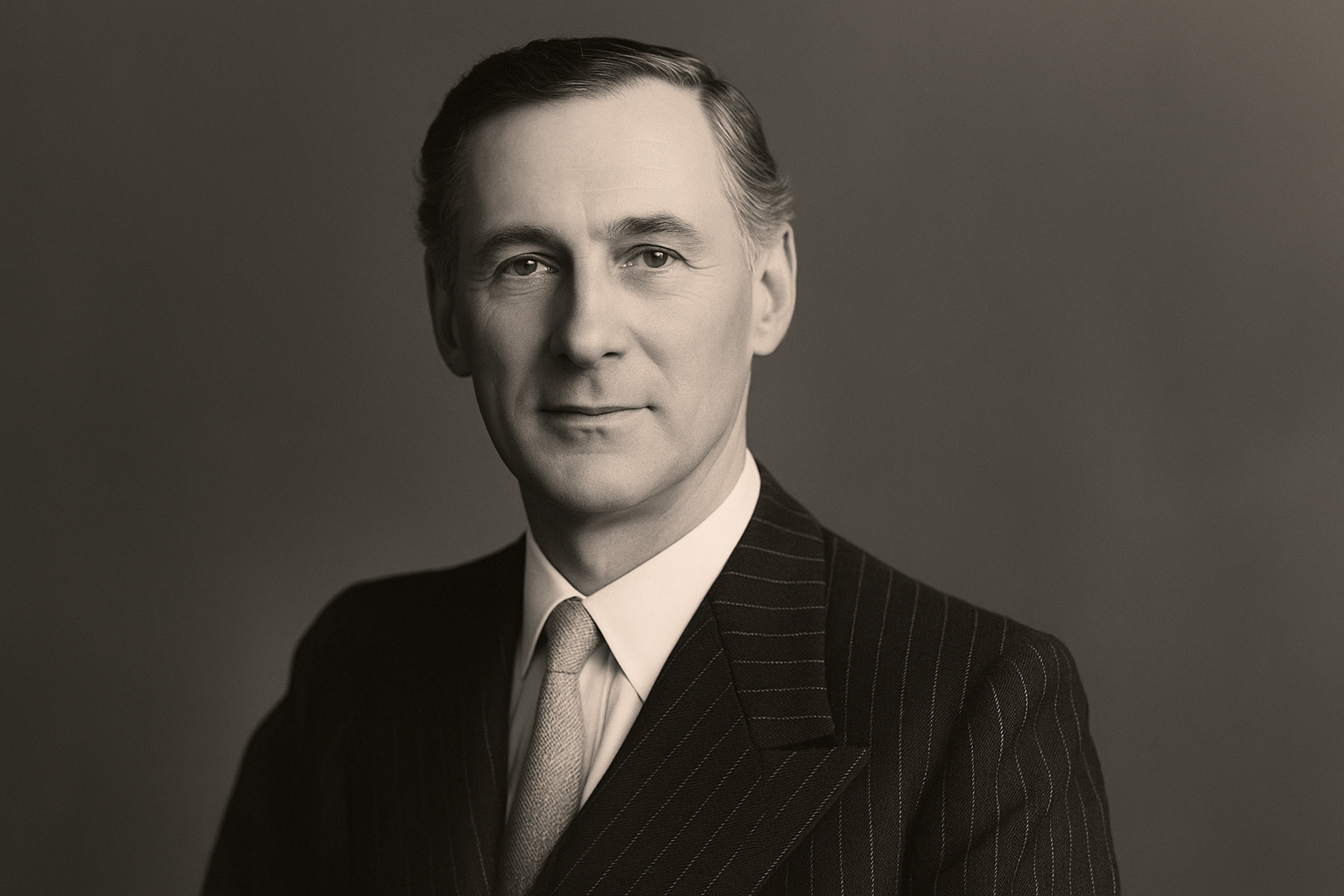
Hawke’s Bay history began in the 1930s with one man and a beach. That man was Bladen Wilmer Hawke, a British citizen who constructed a small rest house along the sea. He was then the manager of the Bombay-Burma Trading Corporation. His association with the region would later name the beach after him.
Bladen Hawke was born on 31 December 1901 in Karachi. This initial connection to the city remained with him even when he relocated to the UK and ventured into politics. His career shifted to war leadership in Britain. But his modest seaside home outside Karachi was the beginning of a legacy that would live beyond him.
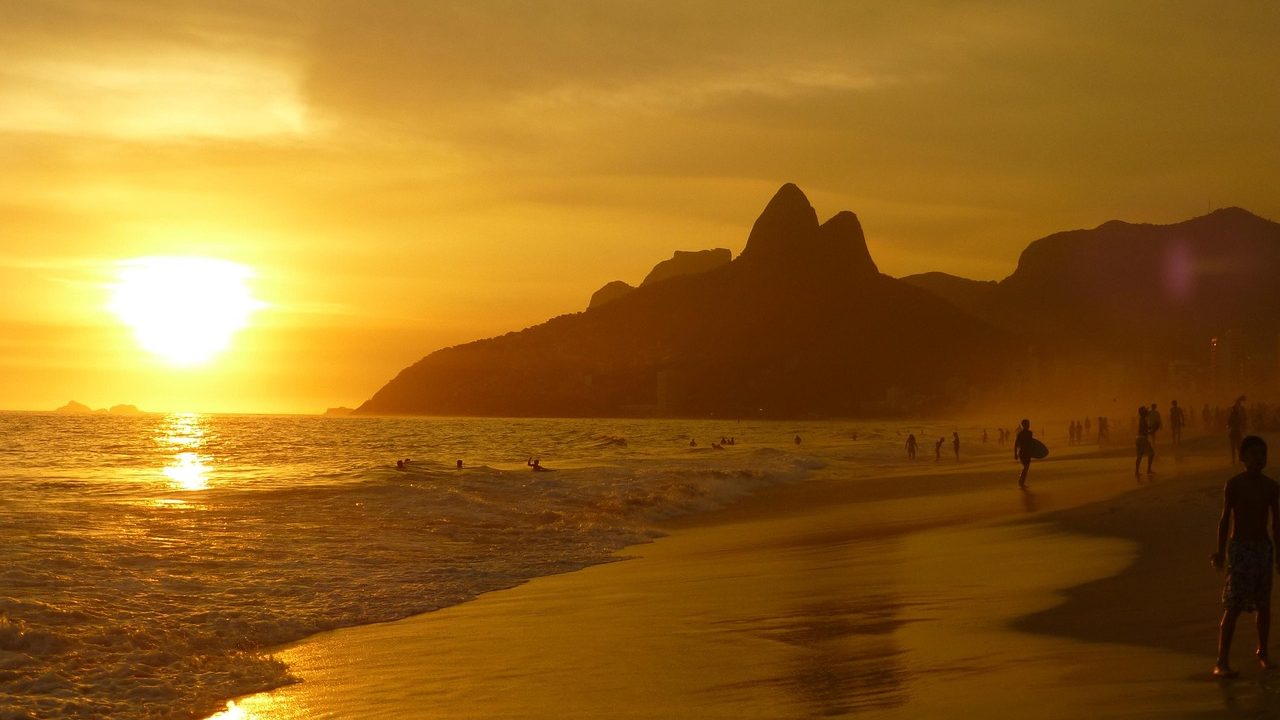
A Rest House That Became a Legacy
Bladen Hawke did not construct the beach house to gain fame. He just needed a peaceful escape out of the city. He deliberately chose the place. The beach was on a natural, virgin coastline. It was not in the hustle and bustle of the expanding city of Karachi.
Soon others followed his example. They were inspired by the serenity and beauty of the location and began to construct their own beach houses in the area. Others were mere huts. Others were turned into weekend homes. Little by little the coast was crowded with small settlements. The beach acquired a new identity.
Manager to British Politician
Bladen Wilmer Hawke relocated to Britain, although his beach house was still in Karachi. It was there that he turned into a Conservative politician. He played important roles in the Second World War, working in the Ministry of Economic Warfare and the War Office.
He succeeded his father, Edward Julian Hawke, the 8th Baron, in 1939 as the 9th Baron Hawke. His name remained alive in Karachi despite his wartime responsibilities in Britain. It was now bound to a special stretch of coast.
Hawke’s Bay: The Favourite Beach of Karachi
With the increasing number of people constructing houses and huts, the locals started referring to the region as Hawke Bay. The name took. It respected the man whose house was first. The beach has over the years gained its reputation as a leisure and escape destination.
The beach retained its beauty after Pakistan became independent in 1947. Families came in picnics, swims, and camel rides across the city. The warm weather of Karachi made Hawke Bay an ideal place throughout the year. It was embraced by locals. It was no longer a British-built rest house on the beach, it was now a Pakistani favourite.
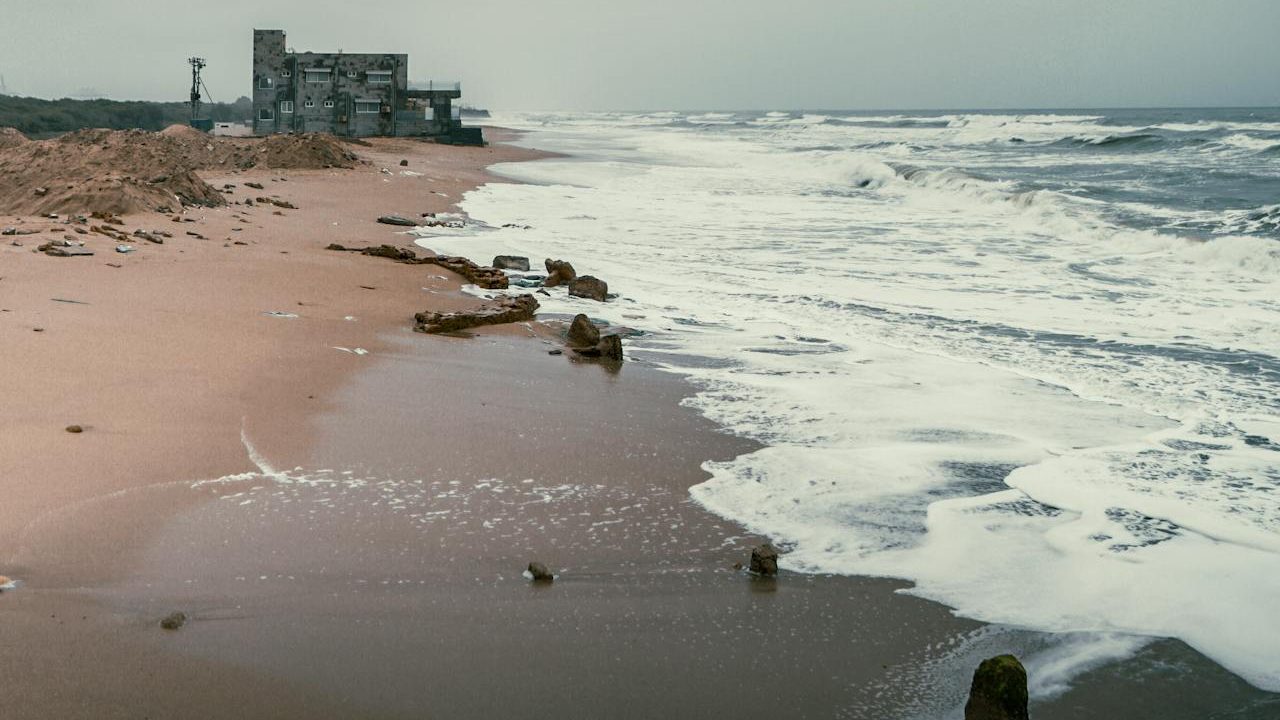
A Calm Bay of a Noble Birth
The history of Hawke Bay starts with a silent deed. One man constructed a rest house. But the beach that had grown about it was much more. Karachiites continue to enjoy what Bladen Wilmer Hawke began almost a century ago.
His memory did not die out with time. He died on 5 July 1985, but the beach named after him is still flourishing. His connection to Karachi is not in politics or war but in a beach that unites people.
Why the Story is Still Important
The history of Hawke Bay Karachi reminds us that places have stories. The beach is not a point on the map. This beach story has a direct connection to the development of the city and is part of its history. The beach has remained relevant, as it was a getaway of a British official and a national treasure.
Even people who are unaware of Bladen Hawke’s name appreciate his legacy. Every time we go to the bay, every picnic, every horse ride, every sunset, contributes to the story. Generations have played on these sands and never knew the story of them. They do now.
Conclusion
Hawke Bay is not a great political history. It is a local one. It begins with a man, a coastline, and a simple rest house. But its influence extends through time and identity. Karachi not only got a beach but a common place of rest, joy and memory.
The first house on that beach may have been built by Bladen Wilmer Hawke. Yet generations later have created something more, a living bond between the past and the present.
Stay connected with Closeup Pakistan on X, Medium, Instagram, and Facebook for the latest updates on Fashion, business, Shipping, technology, and Current affairs in Pakistan.
