

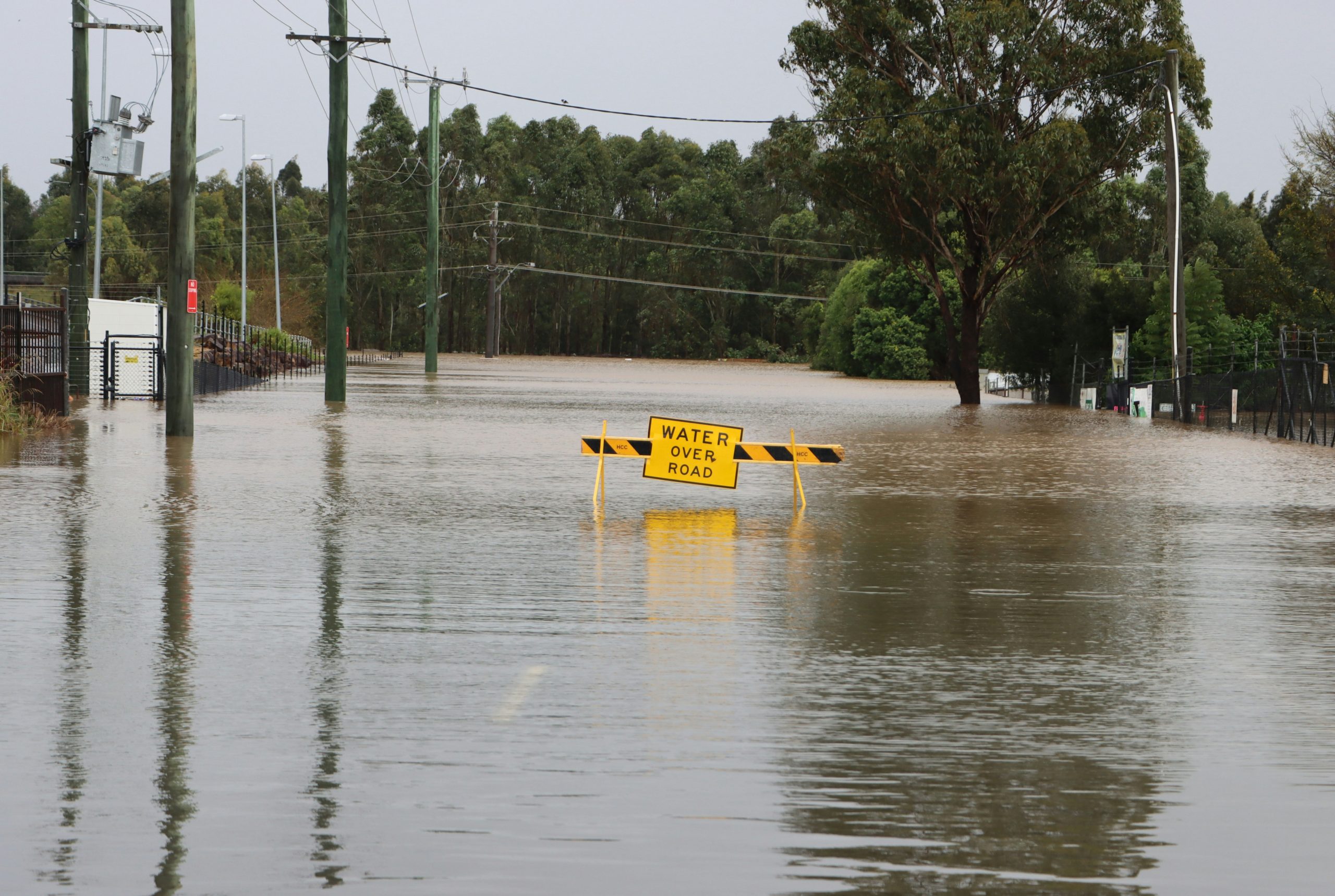
A devastating flash flood struck central Texas on July 4, 2025, killing at least 50 people, including children, and leaving dozens more missing. Torrential rains overwhelmed the region’s rivers, especially near Kerr County, creating one of the deadliest natural disasters in recent Texas history.
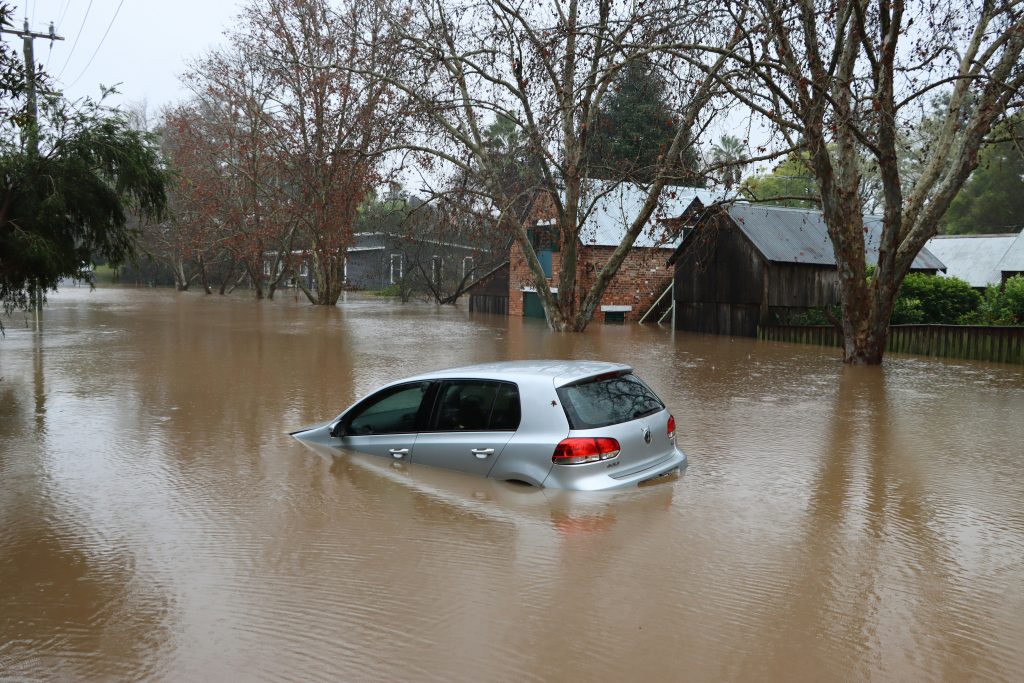
Flash Flood Hits During Holiday Weekend
The disaster occurred early Friday morning during the July 4 holiday weekend—a time when camps and small towns are typically bustling with visitors. The worst-hit location was Camp Mystic, a Christian girls’ summer camp located on the banks of the Guadalupe River. Authorities reported that 27 girls from the camp remain unaccounted for.
Overnight rainfall transformed shallow creeks and hillsides into raging torrents. Within just 45 minutes, the Guadalupe River rose by 26 feet (8 meters), inundating homes, roads, and campsites. The floodwaters swept through communities roughly 70 miles west of San Antonio, catching many residents and campers off guard.
Massive Rescue Operation Underway
Search and rescue teams launched a massive operation involving helicopters, drones, and boats to locate survivors and recover bodies. Some survivors were found clinging to treetops or stranded in remote areas cut off by flood-damaged roads. The relentless rainfall on Saturday complicated rescue missions, with emergency responders working in hazardous conditions.
Officials stated that Camp Mystic had about 700 girls in residence when the flood struck. While many were evacuated, dozens remain missing. The full scope of the disaster is still being determined, as officials have not confirmed how many more outside the camp are unaccounted for.
Landscape Amplifies Flooding Risk
Texas’ Hill Country, known for its scenic beauty and meandering rivers, is also one of the most flood-prone regions in the country. Its terrain funnels rainfall into narrow canyons and rivers, leading to sudden and destructive flooding. Flash floods like the one on July 4 can develop rapidly and with little warning.
The Guadalupe River, a popular recreation spot, turned into a dangerous surge zone as it received massive runoff from the surrounding hills. This sudden rise in water levels overwhelmed riverbanks, bridges, and camps, leaving behind a trail of devastation.
Community in Mourning and Shock
Families of missing children have gathered at makeshift shelters, anxiously awaiting news of their loved ones. Volunteers and local residents have joined search teams to comb through wreckage and mud-covered debris.
Images from the flood zone show crushed vehicles along riverbanks, shattered bridges, and entire buildings displaced. The emotional toll on the community is immense, with grief and uncertainty hanging heavy in the air.
State and Federal Response
Texas Governor Greg Abbott visited the affected region and toured the devastated Camp Mystic. He pledged full state support and declared a state of emergency to mobilize resources. The Federal Emergency Management Agency (FEMA) has also been alerted and is coordinating with state agencies.
Governor Abbott acknowledged the extraordinary scale of the disaster and called for swift action to locate the missing and aid the survivors.
Authorities Under Scrutiny
As the disaster response continues, questions are being raised about the adequacy of warnings issued prior to the flood. Some critics argue that more proactive alerts or evacuations could have mitigated the loss of life.
Authorities are reviewing how early warnings were disseminated and whether infrastructure and emergency protocols were sufficient to address such a severe weather event.
Echoes of Past Tragedies
The July 4 flood has drawn comparisons to a similar disaster in 1987 when a flash flood struck the same region. In that incident, 10 teenagers died after a church camp bus was caught in rising water.
This latest tragedy underscores the persistent danger flash floods pose to Texas communities, particularly during peak travel and camp seasons.
Continued Threat and Weather Outlook
Rainfall continued through the weekend, prompting ongoing flash flood watches and warnings. Meteorologists warned that the ground, already saturated, poses a continued risk of further flooding. Emergency crews remain on high alert for new rescues or worsening conditions.
Weather agencies are urging residents in flood-prone zones to stay indoors, avoid low-lying roads, and monitor official updates closely.
National Response and Support
People across the country expressed sympathy. Social media flooded with messages of support, and fundraising campaigns launched to help victims.
Nonprofits stepped in to provide food, shelter, and trauma counseling. Churches and community centers in nearby towns opened their doors to families.
Final Thoughts
The 2025 Texas flash flood serves as a tragic reminder of nature’s power and the need for disaster readiness. As communities search for the missing and start to recover, efforts remain focused on support and safety.
Authorities and meteorologists are expected to review flood warning systems and improve emergency response protocols to prevent future tragedies.
