

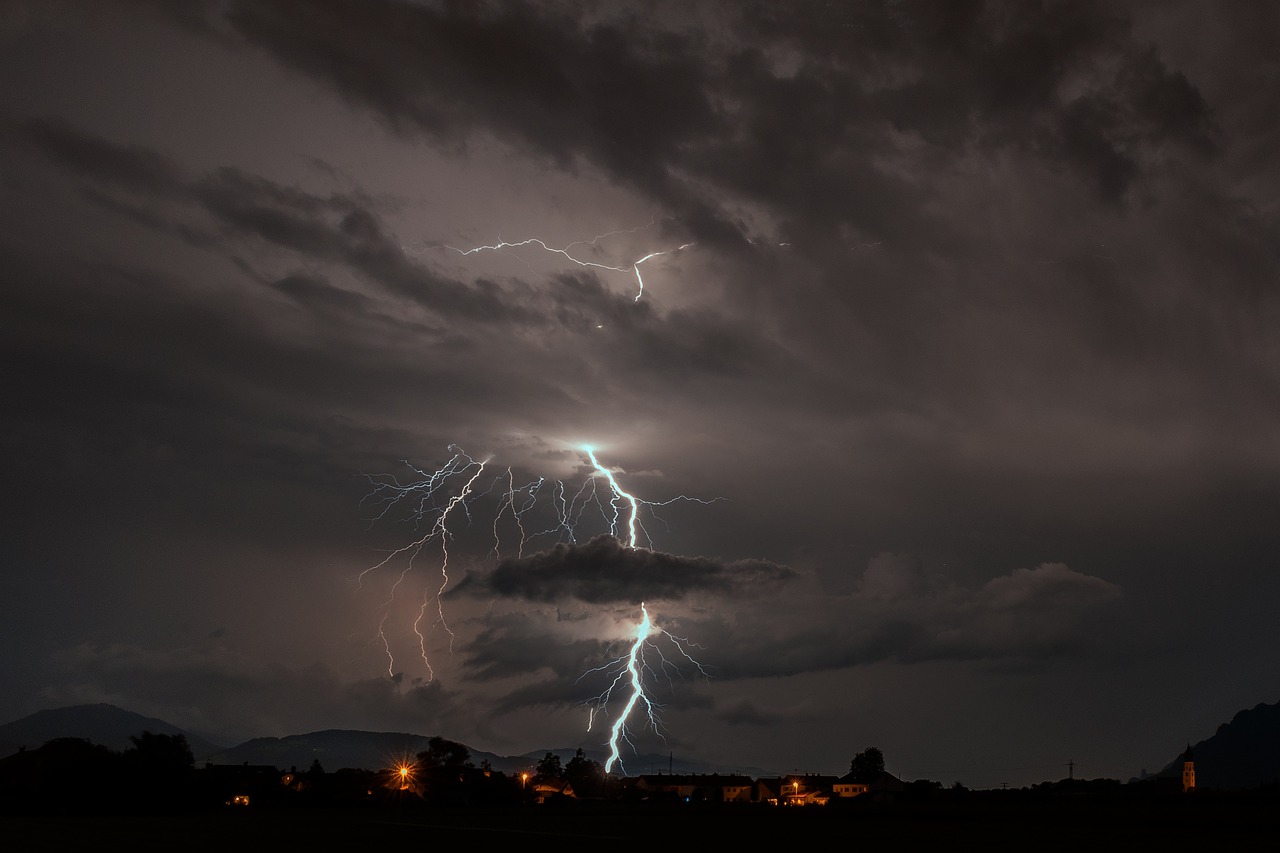
The UK has experienced a lot of severe weather in the past few months. The weather in Britain has been unpredictable, ranging from freezing Arctic winds to floods. Since September, when the storm season began, the country has seen ten named storms. Since storm naming began in 2015, the highest number of storms in a year was 11, and we are almost there after just five months. As spring and warmer weather arrive, we hope there will be no more events like Storm Babet or Storm Isha.
Storm Babet: A Storm That Made a Difference
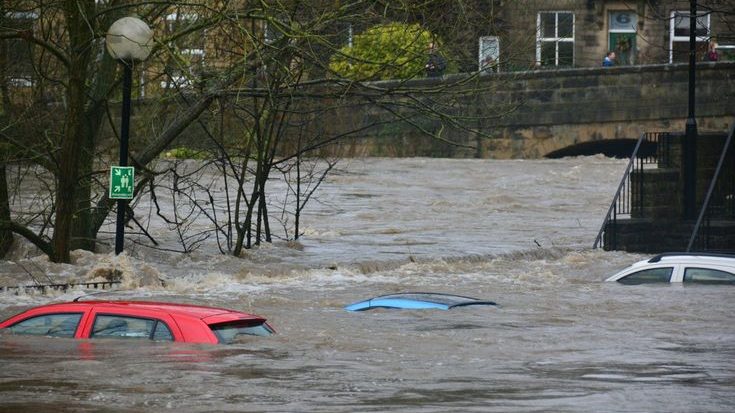
Storm Babet, which hit the UK in mid-October, was one of the most significant storms this season. Babet began in the East and was strengthened by the effects of global warming and a strong typhoon that had hit Japan before. The disruption of the jet stream caused the UK to experience unpredictable weather. Winds in Scotland reached 115 mph, and flooding was seen in many areas of the Midlands and North. Flooding in Derbyshire at Grangers’ headquarters caused major disruptions in Chesterfield, showing how far the storm reached.
What Is Causing the UK to Have So Many Storms?
What is causing this increase in stormy weather in the UK? There are two main reasons why we are experiencing such extreme conditions now.
- El Niño is a climate event: Every few years, the El Niño phenomenon naturally changes the climate around the world. It happens when the tropical Pacific Ocean becomes warmer because the trade winds are weaker. El Niño usually disrupts the jet stream in the UK, which can cause the UK to experience more rain, stronger winds and sudden cold spells in Northern Europe.
- Climate Change Caused by People: Besides natural climate changes, climate change caused by people is making extreme weather more common in the UK. The increase in greenhouse gases has caused the world’s temperature to rise, which results in heavier rainfall, stronger storms and longer heatwaves. The year 2023 was the hottest ever recorded, which proves that higher temperatures are linked to more severe weather.
How to Stay Safe When Storms Are in the UK
At Grangers, we believe in inspiring people to go outside, no matter the weather. Nevertheless, your safety should be your top priority whenever UK storm warnings are issued. Cheque the weather forecast in the UK, both for your area and the country as a whole, before you go. Since storms can change quickly, it is important to stay updated.
The Met Office provides timely UK weather warnings through a colour-coded system:
- Yellow warnings indicate low-level impacts, such as travel delays or minor property issues.
- Amber warnings signal increased likelihood and more significant disruption.
- Red warnings represent life-threatening weather and extensive damage.
If you’re an all-weather explorer, understanding this warning system is essential. Even when storms aren’t forecasted, unpredictable UK weather can pose hidden risks.
Looking Ahead: Brighter Days Are Coming
While it may feel like the storms are never-ending, spring is on the horizon. Warmer temperatures and longer daylight hours are just around the corner. Don’t let the rain dampen your spirits — brighter and sunnier days are on their way!
