

What is an Atmospheric River?
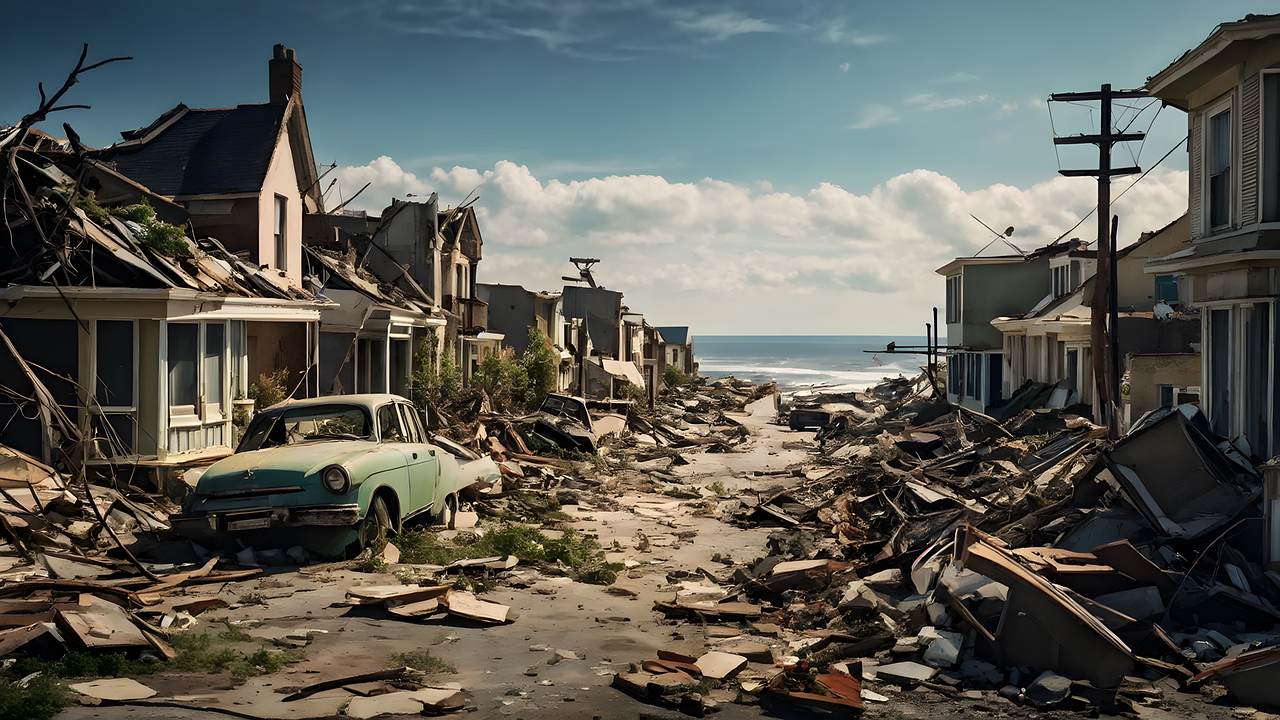
An atmospheric river is a long, narrow band of concentrated atmospheric moisture, often originating from tropical regions. These moisture-rich air streams can transport vast amounts of water vapour across thousands of miles. When an atmospheric river makes landfall, it can unleash intense rainfall or snowfall, potentially leading to floods and other weather hazards.
What is a Bomb Cyclone?
A bomb cyclone is a powerful storm that rapidly strengthens due to a sharp drop in atmospheric pressure—specifically, a decrease of at least 24 millibars within 24 hours. This process is scientifically known as bombogenesis. Bomb cyclones often bring extreme winds, heavy precipitation, and severe weather conditions, especially during the winter season.
Connection Between Atmospheric Rivers and Cyclones
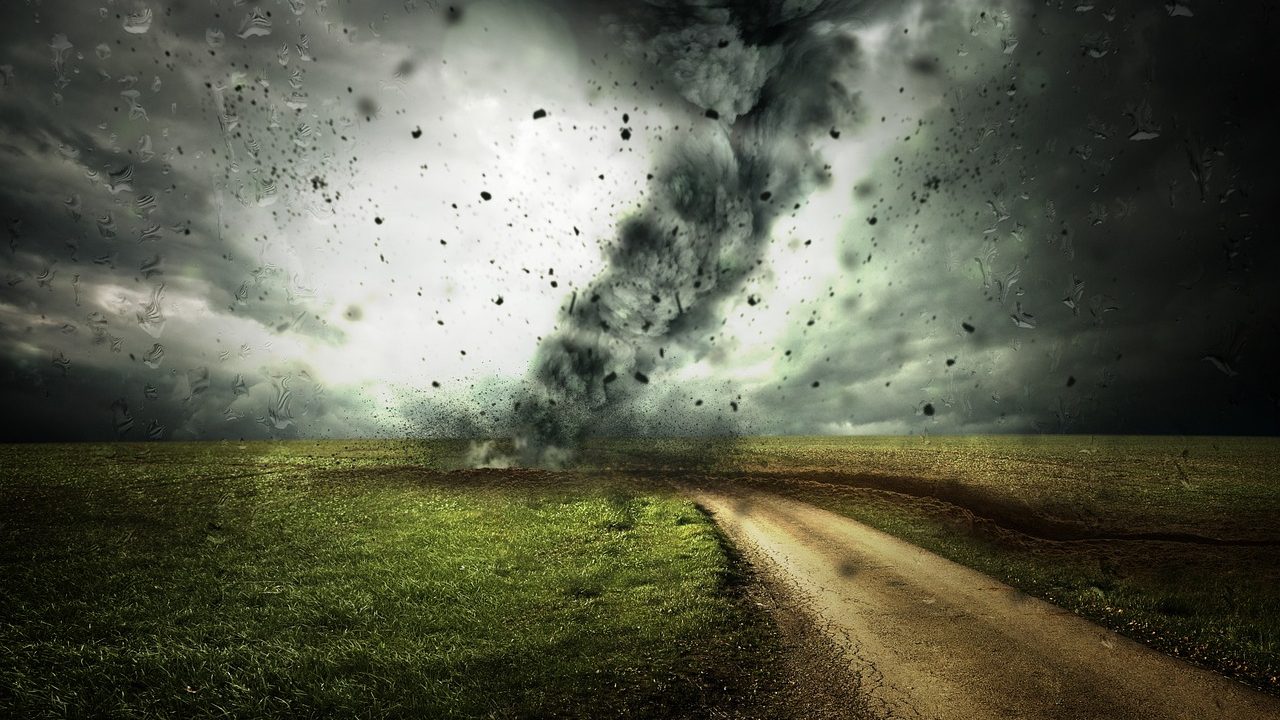
Atmospheric rivers and cyclones are closely linked. Cyclones develop from sharp temperature and moisture contrasts in the atmosphere. As they intensify and spin, they enhance these contrasts and often act as engines that draw in and concentrate tropical moisture. This moisture forms an atmospheric river, which funnels water vapour into a narrow corridor that can deliver excessive rainfall or snowfall to affected regions.
What Happens During a Bomb Cyclone?
During a bomb cyclone event, the storm undergoes rapid intensification due to a sudden drop in pressure. This leads to dangerously strong winds and intense precipitation. Depending on the season and location, bomb cyclones can trigger:
- Heavy rain or snowfall
- Hurricane-force wind gusts
- Coastal storm surges and flooding
- Widespread power outages and transportation disruptions
These powerful storms can impact coastal and inland areas alike, creating dangerous travel conditions and property damage.
Are Bomb Cyclones Dangerous?
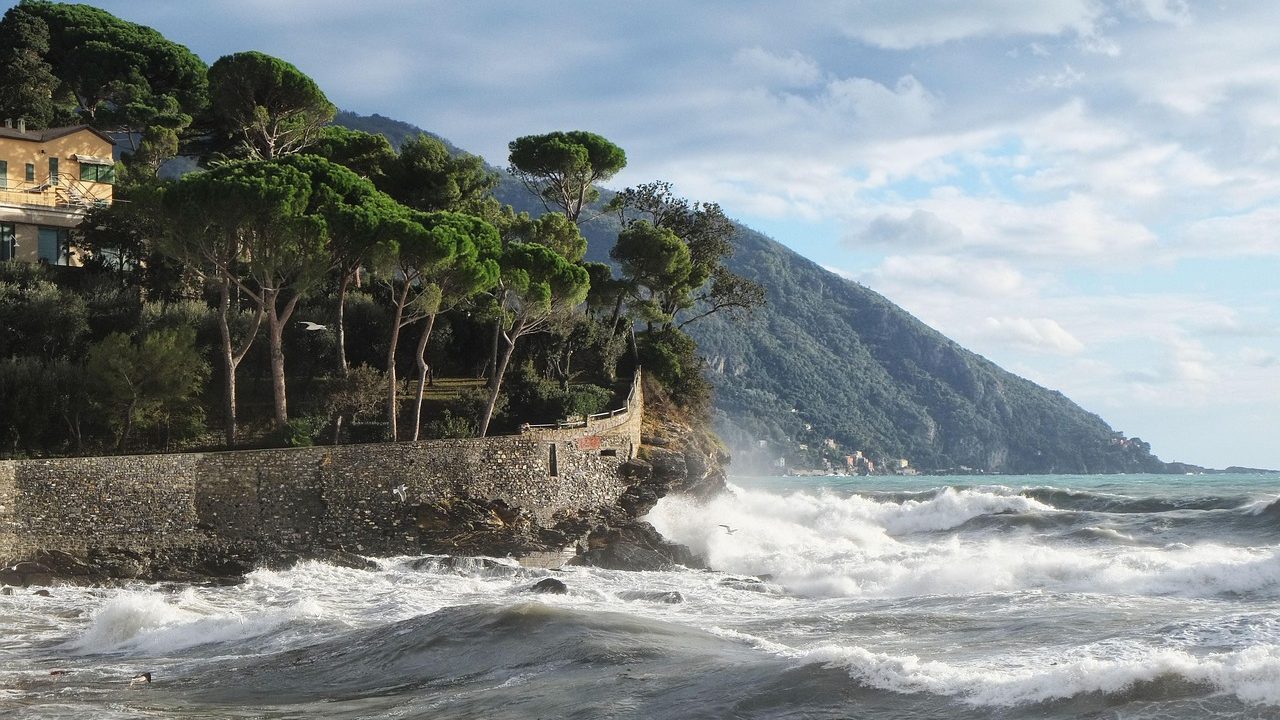
Yes, bomb cyclones are extremely hazardous. Their sudden intensification produces high-impact weather events. Wind speeds can surpass 74 mph (similar to hurricanes), leading to downed trees, power lines, damaged buildings, and airborne debris. Torrential rain can trigger flooding and mudslides, while snowstorms can lead to blizzard conditions. Common impacts include:
- Flight cancellations
- Road closures
- Train service halts
- Increased risk of car accidents and infrastructure damage
How to Stay Safe During a Bomb Cyclone
To protect yourself during a bomb cyclone:
- Stay indoors and avoid unnecessary travel.
- Keep away from windows, fences, and unstable structures.
- If you must drive, check road conditions and carry an emergency kit.
- In flood-prone areas, follow evacuation instructions from local authorities.
After the storm:
- Watch out for hazards like downed power lines, floodwaters, and unstable buildings.
- Avoid standing water, as it may conceal sharp debris or live electrical lines.
- Stay updated via local emergency channels before resuming normal activities.
How Frequently Do Bomb Cyclones Occur?
Bomb cyclones occur several times annually around the globe, with the highest frequency in the North Atlantic and North Pacific regions. These storms are more common in the colder months, especially from late fall through early spring.
What Causes a Bomb Cyclone?
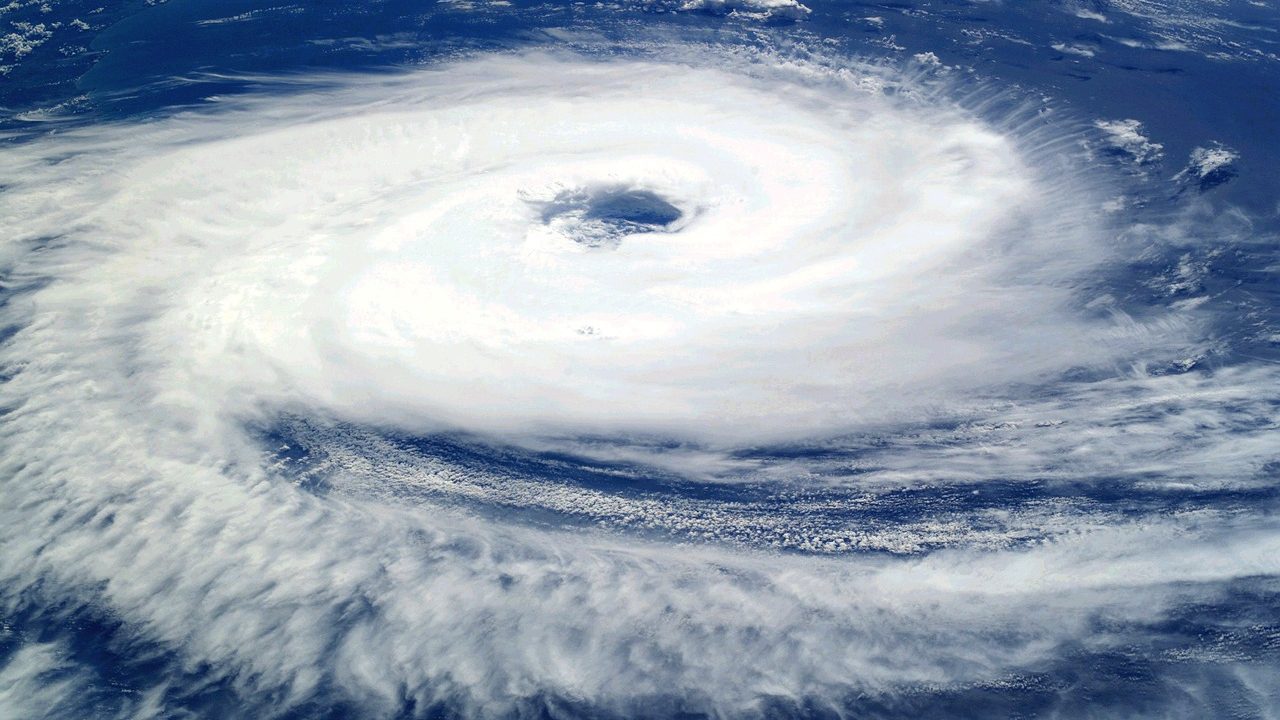
A bomb cyclone forms when a midlatitude storm rapidly intensifies. This happens when a strong temperature contrast exists between two air masses—typically cold, dry air colliding with warm, moist air. This clash creates instability and fuels rapid pressure drops, leading to explosive storm development.
While climate change isn’t a direct cause, it can influence the intensity and frequency of bomb cyclones by altering global atmospheric patterns and increasing the availability of warm, moist air.
