

Scotland’s Tidal Turbine Proves Marine Energy’s Long-Term Potential
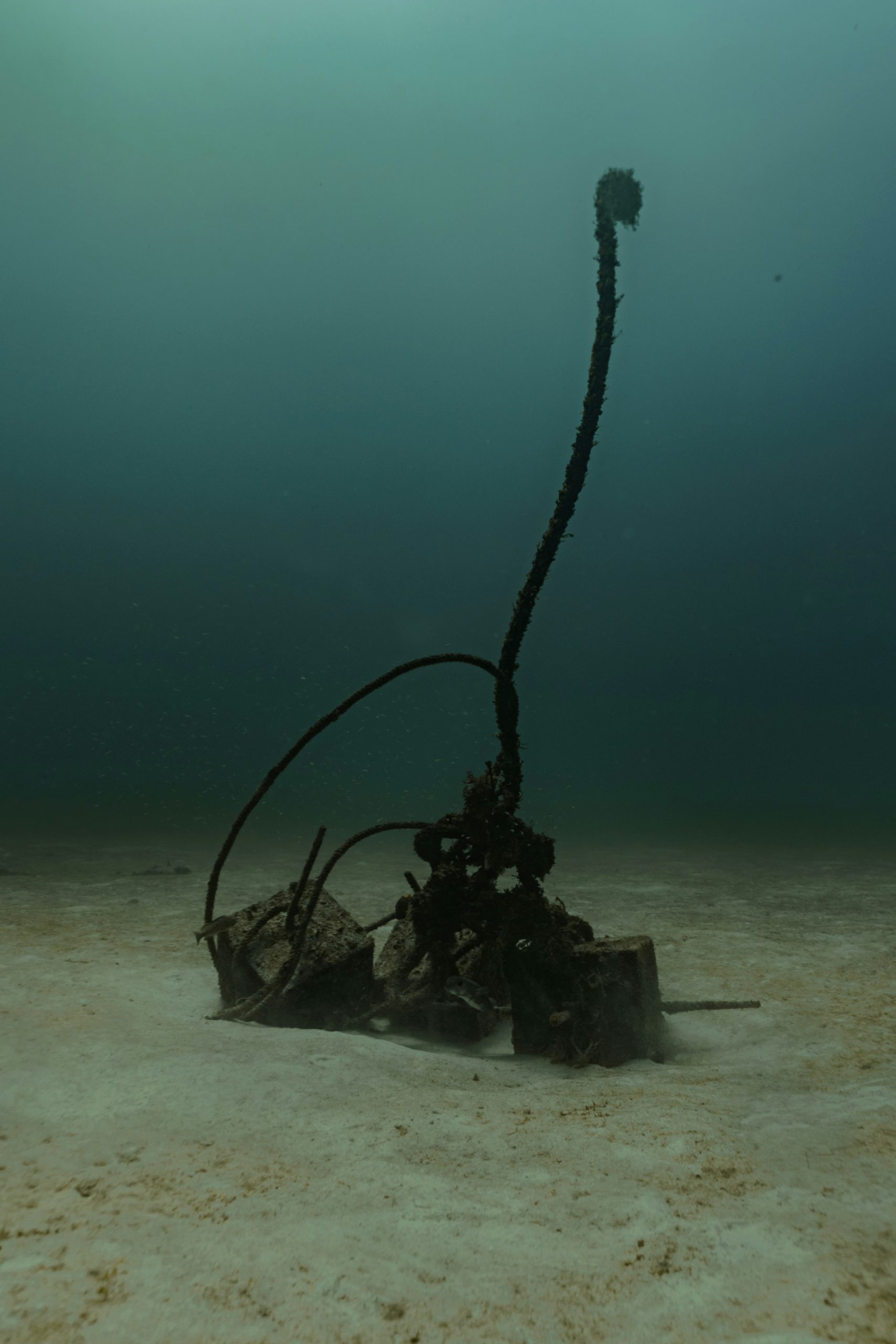
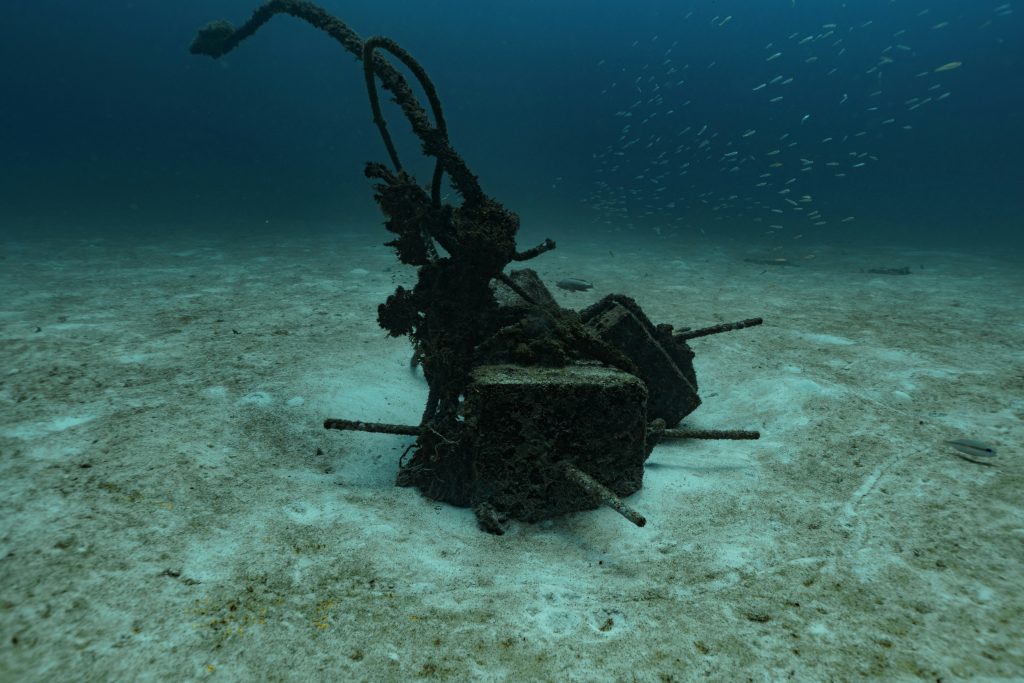
Deep beneath the surface off Scotland’s rugged coastline, a powerful underwater turbine has been harnessing tidal currents to generate electricity for over six years. Submerged at a depth of nearly 40 meters, this renewable energy device has set a new record for endurance in one of the world’s harshest natural environments. Its sustained operation marks a turning point for tidal energy technology, showing investors, policymakers, and engineers that these systems can survive and thrive without frequent, costly maintenance. The turbine’s resilience not only lowers long-term costs but also demonstrates tidal power’s readiness to scale, according to Ocean Energy Europe, a leading trade association. Without extended durability, tidal systems would remain financially unsustainable, requiring removal every few years for repairs.
Tidal Energy: A Powerful Untapped Renewable Resource
While solar and wind technologies continue to expand rapidly, tidal energy is still emerging on the commercial scene. However, its potential is immense. Researchers from the National Renewable Energy Laboratory describe marine energy power drawn from waves, tides, ocean currents, and temperature shifts as the world’s most underutilized renewable resource. Tidal energy stands out because of its predictability. Unlike wind or solar, ocean tides are consistent and cyclic, making tidal energy a stable source of clean power. The MeyGen tidal energy project off the northern coast of Scotland offers a leading example. The site features four turbines, each generating 1.5 megawatts. Together, they produce enough electricity to power up to 7,000 homes annually. This milestone highlights tidal energy’s practical applications and sets the stage for larger developments.
Six Years of Uninterrupted Performance: A Milestone for the Industry
On Thursday, Swedish engineering company SKF announced a remarkable achievement. One of their turbines at the MeyGen site surpassed six and a half years of continuous operation without requiring unscheduled repairs or major disruptions. The company, which supplies seals and bearings for tidal turbines, spent the last decade perfecting its technology to withstand extreme marine conditions. Rémi Gruet, CEO of Ocean Energy Europe, called the milestone a major step forward. He noted that proving turbines can endure relentless tidal forces for extended periods unlocks significant commercial potential. The success answers a critical question: Can underwater turbines remain functional in challenging environments for long durations? With this record, the answer appears to be yes.
Why Scotland Leads in Tidal Energy Innovation
Scotland has emerged as a global front-runner in the tidal energy race. For nearly a decade, the MeyGen project operated by SAE Renewables has delivered clean electricity directly to the grid. As one of the few continuous tidal energy operations worldwide, it offers valuable data and insights to developers and regulators. While most tidal initiatives remain in early testing phases or exist as pilot projects, MeyGen has moved well beyond the demonstration stage. According to Andrea Copping, an expert in marine renewable development and a faculty fellow at the University of Washington, very few installations have achieved what MeyGen has. She explained that tidal systems face major challenges before widespread adoption can occur, including environmental approvals, permitting complexity, and competing use of ocean space. Still, the MeyGen team has proven that tidal turbines can last in seawater, answering a question that long haunted skeptics.
Overcoming the Engineering Challenge of Underwater Turbines
Fraser Johnson, who manages operations and maintenance for the MeyGen project, emphasized the difficulty of adapting wind turbine technology for underwater use. Most wind turbines are designed for dry, land-based settings, where repairs are far easier to perform. Transforming that design for submerged conditions required years of engineering innovation. But Johnson said the record-setting turbine still shows no signs of slowing down. It could operate for at least another year before needing to resurface for inspection or service. This accomplishment not only reassures investors but also reduces lifecycle costs dramatically. Johnson added that extending maintenance intervals from two years to seven or more could make tidal farms much more economically viable.
The Strategic Location Behind MeyGen’s Success
The four turbines operate in the Inner Sound of the Pentland Firth, a narrow sea channel that separates Scotland’s mainland from Stroma Island. This area features some of Europe’s strongest tidal currents, which provide the reliable kinetic energy needed to maximize output. Tidal energy systems depend on powerful, predictable water flows to function effectively. Without strong currents, energy yields drop significantly. That’s why the location plays such a vital role in MeyGen’s performance and long-term sustainability. With current success under its belt, MeyGen plans to expand the project significantly. By 2030, the team hopes to install an additional 20 turbines, pending upgrades to the local electricity grid. Once complete, the site could eventually support up to 130 next-generation turbines, each potentially more powerful than the current models.
Tidal Energy Designs: Turbines vs. Barrages
There are two main approaches to capturing tidal energy. The first, demonstrated by MeyGen, involves deploying turbines directly in open water where tides naturally flow. The second uses a dam-like structure, known as a tidal barrage, to control water movement and generate electricity as tides rise and fall. While tidal barrages have proven effective in specific locations, they come with significant construction and environmental challenges. In contrast, submerged turbines like those at MeyGen offer a more flexible and scalable solution. Fraser Johnson noted that despite MeyGen being the largest open-water tidal project of its kind, the team hopes to lose that title soon. He encouraged other developers to push the industry forward, saying that more competition would benefit everyone. Johnson credited SKF’s engineering support as a key factor in MeyGen’s continued success.
Looking Ahead: Tidal Energy’s Role in the Renewable Transition
Despite clear progress, tidal energy still faces obstacles. Regulatory hurdles, environmental assessments, and limited infrastructure remain major barriers to widespread adoption. Yet, the long-term advantages are compelling. Tidal energy is incredibly reliable and predictable—two qualities that make it especially attractive as countries aim to diversify their renewable portfolios. Unlike solar and wind, which fluctuate daily and seasonally, tidal cycles follow a consistent lunar pattern. If projects like MeyGen continue to demonstrate cost-effectiveness and long-term durability, tidal power could play a much larger role in the future energy mix. It offers coastal nations an opportunity to generate clean electricity right at home, reduce carbon emissions, and support energy independence.
Conclusion: MeyGen’s Legacy Could Transform Marine Energy
The MeyGen tidal project’s record-breaking turbine has changed the conversation around tidal energy technology. By running for more than six years without major issues, the turbine proves these systems can meet the tough demands of the marine environment. This achievement not only advances technology but also builds investor trust, government support, and public awareness. If replicated and expanded, MeyGen’s success could mark the beginning of a new era in renewable energy—where the tides themselves power thousands of homes with no emissions and minimal environmental disruption. As more developers and nations take notice, MeyGen’s legacy may be more than just a world record. It may be the foundation for a global tidal energy revolution.
