


Parents Rethink Summer Camp Safety After Texas Flood Disaster
After a deadly flood struck a respected Texas summer camp, killing more than two dozen children and staff, parents across the United States are reconsidering whether it’s safe to send their kids away for the summer. The heartbreaking event occurred at Camp Mystic in the Texas Hill Country, where an intense storm caused flash flooding that turned a peaceful river into a deadly threat. While this disaster was both rare and extreme, it has highlighted an important concern: how well-prepared are summer camps for emergencies? Parents who once focused on swim schedules and meal plans now want to know exactly how camps respond to crises. Experts say that’s the right mindset.
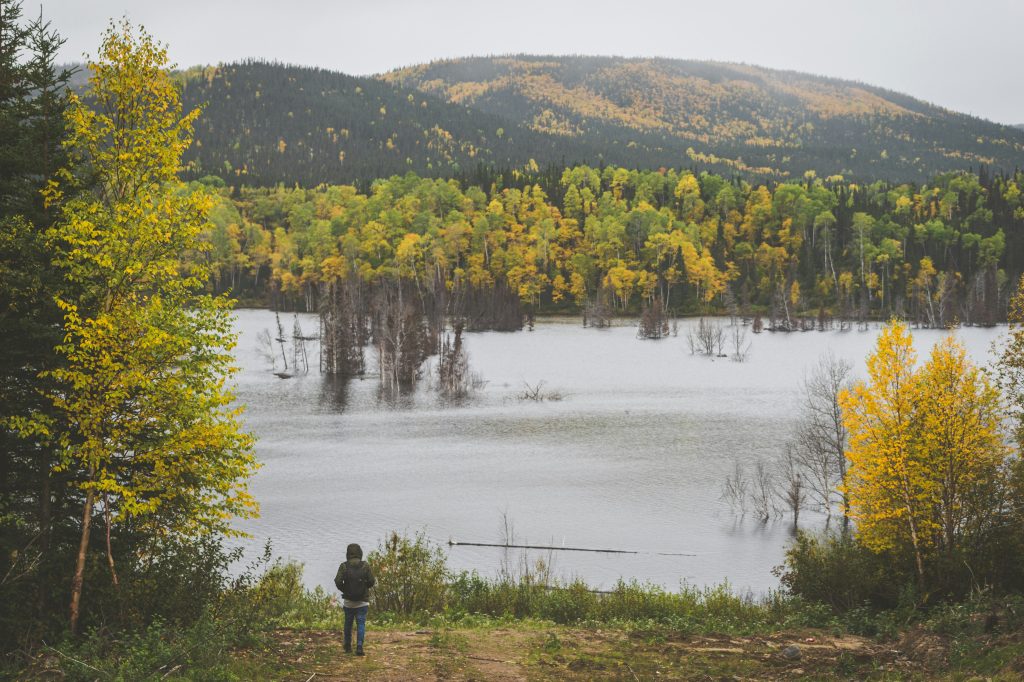
Nature and Nostalgia Mix with Risk at Many Camps
Thousands of summer camps across the country offer a chance for children to unplug, build independence, and connect with nature. These camps often feature scenic environments—lakes, rivers, forests—where kids sleep in rustic cabins, explore wooded trails, and enjoy campfires. But as charming as this setting is, it brings unavoidable risks, especially when it comes to weather-related emergencies. Henry DeHart, the interim president of the American Camp Association (ACA), explained that even camps far from disaster zones are responding to the emotional impact of the Texas tragedy. He emphasized that disasters in one location can deeply affect the entire camp community, sparking fear and uncertainty.
Parents Should Ask Specific Summer Camp Safety Questions
Jim Austin, a Michigan grandfather who has spent decades involved in summer camps, advises parents to go beyond surface-level inquiries. He recommends asking very specific questions about how camps manage emergencies. Start by asking how camps monitor swim safety. Do they run regular buddy checks? What happens if a camper goes missing? What systems are in place for severe weather like thunderstorms, tornadoes, or wildfires? According to Austin, if a camp struggles to answer these questions, that’s a clear warning sign. Mike Deen, director of Camp Ao-Wa-Kiya in Michigan, shared his own experience. Last year, during the night, part of a tree collapsed on a cabin full of girls. One adult became trapped in bed for more than an hour. Thanks to clear policies and a trained staff, everyone remained safe, and emergency responders acted fast. Deen emphasized that parents should ask how long it would take for local emergency crews to reach the camp. They should also ask about the camp’s communication systems and whether staff receive training in first aid, CPR, and crisis response. Camps that take safety seriously should answer confidently and transparently.
Camps Proactively Address Parental Concerns
Following the tragedy at Camp Mystic, several camps took proactive steps to reassure families. Even those located hundreds of miles from Texas felt it necessary to provide clear communication and emotional support to camper families. Adirondack Camp in New York issued a statement expressing sadness over the Texas event. Camp leadership assured families that their location along Lake George carries no flooding risk. They also pointed out that the camp receives real-time alerts for severe weather and other threats, reinforcing their commitment to camper safety. Camp Balcones Springs in Texas, located more than 100 miles from the flood zone, also updated parents. Staff informed families that the camp rests on high ground and remains unaffected by rising water levels. In addition, they sent several email updates over the weekend and even shared the camp director’s personal phone number to ensure clear communication after phone service problems occurred. In these emails, staff asked parents not to mention the tragedy to campers. The goal was to keep the emotional environment at camp positive and reassuring, not stressful or fear-driven.
The Importance of Accreditation and Safety Planning
The American Camp Association (ACA) plays a major role in ensuring summer camps operate under strict safety standards. The ACA accredits thousands of camps and requires them to follow detailed protocols on emergency response, medical readiness, and risk management. While ACA accreditation isn’t legally required, it can provide peace of mind for families. Accredited camps undergo regular audits and must demonstrate preparedness for a wide range of scenarios, from lightning storms to missing persons and active shooter threats. When selecting a camp, parents should ask whether it holds ACA accreditation and how it maintains relationships with local emergency services. The closer a camp works with fire departments, hospitals, and law enforcement, the faster it can respond to emergencies.
A Parent’s Guide to Essential Camp Safety Questions
When preparing to send kids off to camp, parents should use a thoughtful checklist. These key questions can reveal how seriously a camp takes safety:
1. Emergency Protocols
How do you handle severe weather? What’s the process if a camper disappears? Do you have a specific plan for wildfires or active shooters?
2. Medical Readiness
Is a nurse or doctor on-site 24/7? Are staff trained in first aid and CPR? How far is the nearest hospital?
3. Communication Plans
How will you contact parents during an emergency? Do you use real-time weather alerts? Can parents reach someone after hours?
4. Staff and Training
What is your staff-to-camper ratio? Are counselors background-checked and trained? Do you conduct safety drills?
5. Coordination with Local Services
How often do you practice with emergency responders? What’s the estimated response time from police or EMS? Have you tested your evacuation plans?
Parents who ask these questions demonstrate both caution and care. Camps that value safety will appreciate your concern and provide detailed, confident answers.

Outdoor Learning Has Real Benefits Despite the Risks
Even with recent tragedies, experts agree that the benefits of summer camps remain powerful. University of Utah professor Jim Sibthorp, who studies the developmental impact of camp experiences, believes nature-based programs help children grow in confidence, resilience, and emotional intelligence. Although nature comes with unpredictability, the learning opportunities are immense. Children return home with stronger social skills, greater independence, and lifelong friendships. Still, Sibthorp acknowledges that when natural disasters turn deadly, the emotional toll can be overwhelming. Jim Austin hopes parents won’t allow fear to keep kids away from these meaningful experiences. He believes time away at camp helps children grow into responsible, communicative, and empathetic individuals. For many kids, camp offers their first chance to develop deep personal connections without digital distractions.
Conclusion: Preparedness Builds Trust Between Parents and Camps
The Texas flood tragedy serves as a powerful reminder of how unpredictable and dangerous nature can be. But it also underscores the importance of strong safety planning. Camps must prepare for emergencies, not just fun. Parents must take an active role in evaluating those plans before entrusting camps with their children’s care. By asking focused, meaningful questions, parents can identify camps that take safety seriously. When families and camps work together, they create an environment where kids can learn, grow, and explore—with the confidence that their safety is in capable hands.
